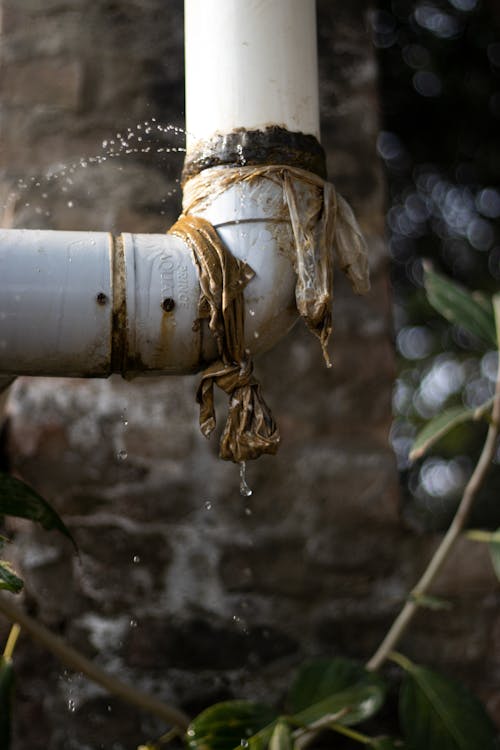
Have you ever noticed a mysterious spike in your water bill, a damp spot on the ceiling, or a faint musty smell that just won’t go away? If so, you might be dealing with a hidden water leak. Water leaks are one of the most common, and most costly, household problems, wasting an estimated 10,000 gallons of water per year in the average American home according to the EPA. Left unchecked, even a small leak can lead to thousands of dollars in structural damage, mold growth, and skyrocketing utility bills.
The good news? Most water leaks can be found and fixed before they cause serious damage – if you know where and how to look. In this guide, we’ll walk you through exactly how to find a water leak in your house, from simple DIY detection methods to knowing when it’s time to call a professional.
Whether you’re a first-time homeowner or a seasoned DIYer, this guide will give you the tools and knowledge you need to track down leaks fast and protect your home.
Table of Contents
- Signs You May Have a Water Leak
- How to Use Your Water Meter to Detect a Leak
- Determining If the Leak Is Indoor or Outdoor
- Common Water Leak Locations in Your Home
- How to Check for Toilet Leaks
- Finding Hidden Leaks Behind Walls and Under Floors
- How to Find Outdoor and Underground Leaks
- Leak Detection Tools and Technology
- When to Call a Professional Plumber
- How to Prevent Future Water Leaks
- The True Cost of Ignoring a Water Leak
- Frequently Asked Questions
Signs You May Have a Water Leak
Before you start hunting for a leak, it helps to know the warning signs. Many water leaks are hidden behind walls, under floors, or underground, but they almost always leave clues. Here are the most common indicators that your home may have a water leak.
Unusually High Water Bills
One of the earliest and most reliable signs of a water leak is a sudden or unexplained increase in your water bill. If your water usage habits haven’t changed but your bill has jumped significantly, there’s a good chance water is escaping somewhere in your plumbing system. Compare your current bill to the same month from the previous year to account for seasonal variations.
Visible Water Stains and Discoloration
Look for yellowish-brown stains on your ceilings, walls, or floors. These water stains are telltale signs that water is seeping through from a pipe, roof, or fixture above. Pay close attention to areas around bathrooms, kitchens, and laundry rooms where plumbing runs through walls and ceilings.
Mold and Mildew Growth
Mold thrives in moist environments, so unexplained mold or mildew growth, especially in areas that should be dry – is a strong indicator of a hidden leak. If you notice dark spots on walls, a musty odor in certain rooms, or mold growing in corners or along baseboards, investigate further.
Sounds of Running Water
If you can hear water running, dripping, or hissing when all faucets and appliances are turned off, you likely have a leak. These sounds are especially noticeable at night when the house is quiet. Try walking through your home and listening carefully near walls, floors, and ceilings.
Warped or Damaged Flooring
Water leaking beneath flooring can cause hardwood to warp, laminate to buckle, and tile grout to crack or loosen. If you notice soft spots, warping, or unexplained damage to your floors – particularly in bathrooms, kitchens, or near water heaters, a leak underneath may be the culprit.
Low Water Pressure
A sudden drop in water pressure throughout your home can indicate a significant leak in your main water line or supply pipes. If the pressure drop is isolated to one fixture, the problem is likely localized. If it affects the whole house, the issue may be more serious.
How to Use Your Water Meter to Detect a Leak
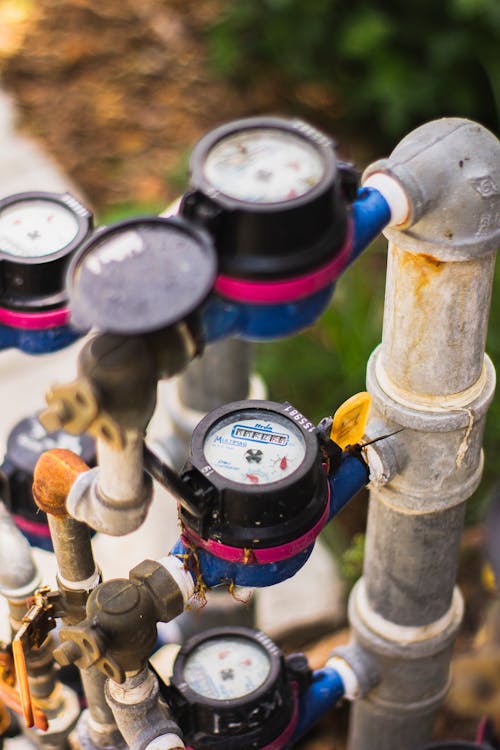
Your water meter is one of the most powerful tools for confirming whether you have a leak. This simple test takes about two hours and costs nothing. Here’s how to do it step by step.
Step 1: Turn Off All Water
Make sure every water-using fixture and appliance in your home is completely shut off. This includes all faucets, showers, dishwashers, washing machines, ice makers, sprinkler systems, and any other devices that use water. Don’t forget outdoor hose bibs and irrigation systems.
Step 2: Locate Your Water Meter
Your water meter is typically located near the street in a covered box set into the ground. In some areas, it may be in your basement or on the side of your house. Remove the cover carefully (watch for insects or spiders) and find the meter dial.
Step 3: Check the Leak Indicator
Most modern water meters have a small triangular or circular dial called a “leak indicator” or “flow indicator.” If this dial is moving when all water in your home is turned off, you almost certainly have a leak. Some meters use a small silver or red wheel instead of a triangle.
Step 4: Record the Meter Reading
If your meter doesn’t have a leak indicator, or if you want extra confirmation, write down the current meter reading. Make sure not to use any water for the next one to two hours. Then check the meter again. If the reading has changed, water is flowing somewhere in your system, which means you have a leak.
Step 5: Determine the Leak Size
A rapidly spinning leak indicator or a significant change in the meter reading over a short period suggests a large, active leak that needs immediate attention. A slow-moving indicator or small reading change points to a smaller leak, which is still important to address but may not be an emergency.
Determining If the Leak Is Indoor or Outdoor
Once you’ve confirmed a leak with the meter test, the next step is figuring out whether the leak is inside your home or in the underground supply line between the meter and your house.
The Shut-Off Valve Test
Locate your home’s main water shut-off valve. This is usually found where the water line enters your home – often in the basement, crawl space, utility room, or near the water heater. Turn this valve completely off.
Now go back to your water meter and check the leak indicator or take another reading. If the indicator stops moving (or the reading doesn’t change after 30 minutes), the leak is somewhere inside your home. If the indicator continues to move even with the main shut-off valve closed, the leak is in the underground supply line between your meter and your house – and you’ll likely need professional help.
Common Water Leak Locations in Your Home
Knowing where leaks most commonly occur can save you hours of searching. Here are the areas you should check first when hunting for an indoor water leak.
Under Kitchen and Bathroom Sinks
The cabinet space beneath sinks is one of the most common locations for water leaks. Check for drips around pipe connections, P-traps, supply lines, and garbage disposals. Look for water stains, warped cabinet bottoms, or a musty smell. Run the faucet and watch the connections carefully for any moisture.
Around Toilets
Toilets are notorious for silent leaks that can waste hundreds of gallons per day. Check the base of the toilet for moisture, which could indicate a failing wax ring seal. Also inspect the supply line connection at the back of the toilet and the tank itself for cracks or condensation.
Water Heater
Inspect the area around your water heater for pooling water, rust stains, or corrosion on the tank and fittings. Check the temperature and pressure relief valve (the valve with a pipe running down the side of the tank) for drips. Water heaters typically last 8 to 12 years, and leaks often develop as the tank ages.
Washing Machine Connections
The supply hoses connecting your washing machine to the wall are under constant pressure and can develop leaks over time – especially if they’re rubber hoses. Check for bulging, cracking, or moisture at the connections. Pull the machine away from the wall to inspect the hoses and the wall behind them.
Refrigerator Ice Maker Line
If your refrigerator has an ice maker or water dispenser, there’s a small water supply line running to it – usually a thin copper or braided steel tube. These lines can leak at connections or develop pinhole leaks over time. Pull your refrigerator out and check the floor and wall behind it.
Shower and Bathtub Areas
Caulk and grout around showers and bathtubs can deteriorate over time, allowing water to seep behind walls and under floors. Check for loose tiles, soft spots in the floor near the tub, and water stains on ceilings below second-floor bathrooms. Also inspect showerheads and faucet handles for drips.
How to Check for Toilet Leaks
Toilet leaks deserve special attention because they’re extremely common and often completely silent. A leaking toilet can waste 200 gallons of water or more per day without making any noise. Here’s how to test yours.
The Food Coloring Test
This is the simplest and most effective way to check for a toilet leak. Remove the tank lid and add 5 to 10 drops of food coloring (or a dye tablet) to the water in the tank. Don’t flush. Wait 10 to 15 minutes, then look in the toilet bowl. If you see colored water in the bowl, the flapper valve is leaking and needs to be replaced.
Listen for Running
Stand quietly near each toilet and listen for the sound of water running continuously or the toilet periodically “phantom flushing” – refilling on its own without being flushed. This usually indicates a worn flapper or a faulty fill valve.
Check the Flapper
Open the tank lid and examine the rubber flapper at the bottom of the tank. If it looks warped, cracked, or has mineral buildup around the edges, it’s probably not sealing properly. Flappers are inexpensive (usually under five dollars) and easy to replace.
Finding Hidden Leaks Behind Walls and Under Floors
Some of the most damaging leaks are the ones you can’t easily see – those hidden behind drywall, inside wall cavities, or beneath flooring. Here’s how to track them down.
Look for Visual Clues
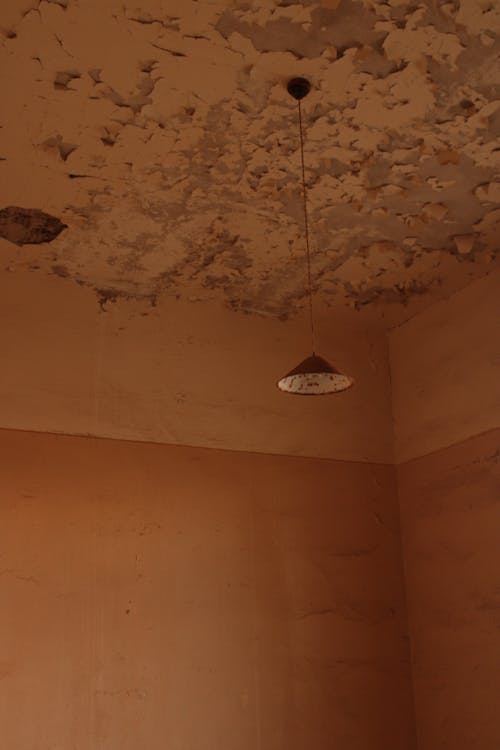
Even hidden leaks leave evidence. Watch for paint that’s bubbling, peeling, or blistering on walls. Look for baseboards that are pulling away from the wall or have water stains along the bottom edge. Check for wallpaper that’s lifting or developing dark spots. In severe cases, drywall may feel soft or spongy to the touch.
Use Your Sense of Smell
Hidden water leaks create perfect conditions for mold growth, which produces a distinct musty or earthy odor. If a particular room or area of your home consistently smells damp or musty – especially after you’ve cleaned and ventilated – there may be a leak feeding mold growth inside the wall.
Check for Hot Spots on Floors
If you have a slab foundation with hot water pipes running beneath it, a hot water leak can create warm spots on your floor. Walk barefoot across tile or concrete floors and feel for areas that are noticeably warmer than the surrounding flooring. This could indicate a hot water pipe leak beneath the slab.
Monitor Your Walls and Ceilings
Take photos of any suspicious stains or marks and check them over the following days and weeks. If a stain is growing or changing color, active water intrusion is almost certainly the cause. Mark the edges of the stain with a pencil so you can easily track whether it’s expanding.
How to Find Outdoor and Underground Leaks
If your meter test indicates a leak but your indoor inspection comes up empty, the problem may be outside – in the supply line between the meter and your house, or in your irrigation system.
Walk Your Yard
Look for patches of grass that are greener or growing faster than the surrounding lawn – this can indicate a water pipe leak beneath the surface. Check for soft, muddy, or saturated areas in your yard, especially in spots that shouldn’t be wet. Sinkholes or depressions in the ground can also signal an underground leak.
Check Outdoor Faucets and Hose Bibs
Inspect every outdoor faucet and hose bib for drips. Turn each one on and off and watch for leaks at the handle, spout, and wall connection. Also check any outdoor plumbing connections to pools, hot tubs, or fountain systems.
Inspect Your Sprinkler System
Run each zone of your irrigation system one at a time and look for broken sprinkler heads, geysers, or areas with excessive pooling. Check the connections at the backflow preventer and any exposed pipes. Even small sprinkler leaks can waste significant amounts of water over time.
Look at Your Driveway and Walkways
Cracks in your driveway, walkway, or foundation that are wet or have water seeping through them can indicate an underground pipe leak. If you notice water flowing from beneath a concrete surface when it hasn’t rained, that’s a clear sign of a broken pipe below.
Leak Detection Tools and Technology
While many leaks can be found with simple observation, modern technology offers some impressive tools that make leak detection faster and more precise.
Smart Water Monitors
Devices like Flo by Moen, Flume, and Phyn install on your main water line and monitor water flow in real time. They can detect even tiny leaks, alert you via smartphone, and some models can automatically shut off your water supply if a major leak is detected. These systems typically cost between $200 and $500 and can pay for themselves quickly by preventing water damage.
Moisture Meters
A moisture meter is a handheld device that measures the moisture content of materials like drywall, wood, and concrete. Professional plumbers use them, but affordable consumer models (around $20 to $50) are available at hardware stores. They’re excellent for confirming hidden moisture behind walls without having to cut into them.
Infrared Cameras
Thermal imaging cameras can reveal temperature differences in walls, floors, and ceilings that indicate hidden moisture. Wet areas show up as cooler spots on the camera’s display. While professional-grade cameras are expensive, affordable smartphone attachments (like the FLIR ONE) are available for under $300.
Acoustic Leak Detectors
Professional plumbers often use acoustic leak detection equipment to listen for the sound of water escaping from pipes underground or behind walls. These devices amplify the sound of rushing or dripping water, allowing technicians to pinpoint the exact location of a leak without invasive exploration.
Leak Detection Dye and Tablets
Beyond the toilet test, specialized leak detection dyes can be used in various plumbing fixtures to trace the path of water and identify where leaks are occurring. These are inexpensive and available at most hardware stores.
When to Call a Professional Plumber
While many small leaks can be found and fixed by a handy homeowner, some situations call for professional expertise. Here’s when you should pick up the phone.
You Can’t Locate the Leak
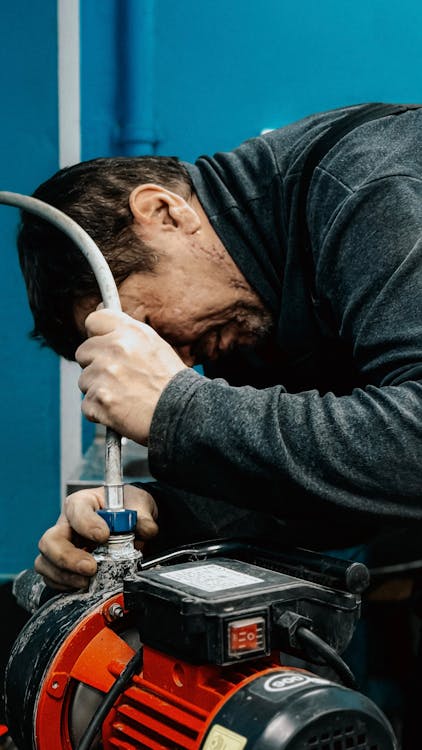
If your water meter confirms a leak but you’ve checked every accessible area and can’t find the source, it’s time to call a pro. Licensed plumbers have specialized equipment – including video pipe inspection cameras, acoustic sensors, and professional-grade moisture detection tools – that can find leaks you simply can’t.
The Leak Is Underground
Underground leaks in your main water supply line or sewer line require professional detection and repair. These repairs often involve excavation and should only be handled by licensed professionals. Some plumbers specialize in trenchless repair methods that minimize disruption to your yard.
You Suspect a Slab Leak
If you have a concrete slab foundation and suspect a leak beneath it (warm spots on floors, sounds of running water from below, or unexplained foundation cracks), call a plumber who specializes in slab leak detection. These leaks can cause serious structural damage if not addressed promptly.
There’s Mold or Water Damage
If you’ve discovered significant mold growth or water damage associated with a leak, you may need both a plumber and a water damage restoration specialist. Mold remediation often requires professional equipment and expertise to ensure it’s completely removed and the affected area is properly dried and treated.
The Leak Involves Your Main Water Line
If the leak is between your water meter and your home, contact your water utility first – in some municipalities, they’re responsible for the line up to the meter. For the portion on your property, you’ll need a licensed plumber.
How to Prevent Future Water Leaks
Prevention is always cheaper than repair. Here are proven strategies to minimize your risk of future water leaks.
Regular Inspections
Make it a habit to visually inspect all exposed plumbing at least twice a year. Check under sinks, around toilets, near the water heater, and behind the washing machine. Look for drips, corrosion, rust, or mineral buildup on pipes and fittings. Catching small issues early prevents them from becoming big, expensive problems.
Monitor Your Water Bill
Keep an eye on your monthly water usage. Many water utilities now offer online portals where you can track your daily and monthly consumption. Set up alerts if your usage exceeds normal levels. Some smart water meters and monitors can also send automatic notifications when unusual patterns are detected.
Replace Old Supply Hoses
Rubber supply hoses on washing machines, dishwashers, and ice makers deteriorate over time and are a common cause of catastrophic leaks. Replace rubber hoses with braided stainless steel hoses, which are much more durable. Most manufacturers recommend replacing supply hoses every five years regardless of their condition.
Maintain Proper Water Pressure
Excessively high water pressure (above 80 psi) puts extra stress on your pipes, fittings, and appliances, increasing the risk of leaks. You can test your water pressure with an inexpensive gauge that attaches to an outdoor hose bib. If your pressure is too high, a plumber can install a pressure-reducing valve.
Insulate Pipes in Cold Areas
Pipes that run through unheated areas – like attics, crawl spaces, garages, and exterior walls – are vulnerable to freezing in cold weather. Frozen pipes can burst and cause massive water damage. Insulate exposed pipes with foam pipe insulation and keep your home heated to at least 55°F during cold spells.
Know Where Your Shut-Off Valves Are
Every member of your household should know the location of the main water shut-off valve and how to turn it off. In the event of a major leak or burst pipe, shutting off the water quickly can prevent thousands of dollars in damage. Also familiarize yourself with individual shut-off valves for toilets, sinks, and appliances.
Install a Smart Water Leak Detection System
Consider investing in a smart water monitoring system that can detect leaks automatically and alert you in real time. Some systems can even shut off your water automatically when a leak is detected, providing protection even when you’re away from home. This is especially valuable for vacation homes or properties that are unoccupied for extended periods.
The True Cost of Ignoring a Water Leak
It’s tempting to put off dealing with a small drip, but the costs can add up quickly. Understanding the financial impact can motivate you to take action sooner rather than later.
Wasted Water
Even a small leak can waste an enormous amount of water. A faucet dripping at one drip per second wastes more than 3,000 gallons per year. A running toilet can waste 200 gallons per day – that’s 6,000 gallons per month. These numbers translate directly to higher water bills.
Structural Damage
Water that seeps into walls, floors, and foundations can cause wood rot, weaken structural supports, and damage drywall and insulation. Repairing water-damaged structures can cost anywhere from a few hundred dollars for minor issues to tens of thousands of dollars for major structural repairs.
Mold Remediation
Mold can begin growing within 24 to 48 hours of a water leak. Professional mold remediation typically costs between $1,500 and $9,000 depending on the severity and location. Beyond the financial cost, mold exposure can cause respiratory issues, allergic reactions, and other health problems – especially for children, the elderly, and those with compromised immune systems.
Increased Insurance Premiums
Filing a water damage claim with your homeowner’s insurance can lead to increased premiums. Worse, some insurers may deny claims for water damage if they determine the leak was caused by deferred maintenance or neglect. Regular leak detection and maintenance can help protect your insurance coverage.
Decreased Home Value
Unaddressed water damage, mold, or foundation issues caused by leaks can significantly decrease your home’s value and make it harder to sell. Home inspectors will flag these issues during a sale, potentially derailing a transaction or requiring costly repairs before closing.
Frequently Asked Questions
How do I know if I have a water leak I can’t see?
The best way to detect a hidden water leak is to perform the water meter test described above. Turn off all water-using fixtures and appliances, then check your water meter. If the meter is still running, you have a leak somewhere. Other signs include unexplained high water bills, musty odors, warm spots on floors, and the sound of running water when everything is off. You can also use a moisture meter to check suspicious areas behind walls.
How much does it cost to hire a plumber to find a water leak?
Professional leak detection typically costs between $150 and $600, depending on the complexity of the search and your location. Simple visual inspections are on the lower end, while electronic leak detection, video pipe inspection, or thermal imaging services are more expensive. The cost of actually repairing the leak will be additional and varies widely depending on the type and location of the leak.
Can a water leak fix itself?
No, water leaks do not fix themselves. In fact, they almost always get worse over time. Even a tiny drip will eventually corrode fittings, damage surrounding materials, and grow into a larger leak. The sooner you address a leak, the simpler and less expensive the repair will be.
Is a small water leak an emergency?
A small, slow drip is generally not an emergency, but it should be addressed as soon as possible to prevent further damage. However, any leak that involves your main water line, is rapidly getting worse, or is causing visible water damage should be treated as urgent. If a leak is causing flooding or structural damage, shut off your main water supply and call a plumber immediately.
Does homeowner’s insurance cover water leak damage?
It depends on the cause and circumstances. Most homeowner’s insurance policies cover sudden and accidental water damage – like a burst pipe. However, they typically don’t cover damage from gradual leaks, deferred maintenance, or wear and tear. Review your specific policy and talk to your insurance agent to understand your coverage. Documenting regular maintenance and inspections can help support any future claims.
How can I find a water leak under my concrete slab?
Slab leaks are difficult to detect without professional help. Signs include warm spots on the floor, the sound of running water beneath the floor, cracks in the foundation, and unexplained increases in your water bill. Professional plumbers use acoustic listening devices, thermal imaging cameras, and pressure testing equipment to locate slab leaks. If you suspect a slab leak, call a plumber who specializes in this type of detection.
What should I do first when I discover a water leak?
First, determine the severity. If the leak is major (spraying water, rapid flooding), immediately shut off the main water supply to your home. For smaller leaks, place a bucket or towels under the drip to minimize damage while you assess the situation. Take photos for insurance documentation. Then either make the repair yourself if it’s a simple fix (like replacing a toilet flapper or tightening a connection) or call a licensed plumber for more complex issues.
Final Thoughts
Finding a water leak in your house doesn’t have to be overwhelming. By knowing the warning signs, performing simple tests like the water meter check and the toilet dye test, and systematically inspecting common leak locations, you can catch most leaks before they cause serious damage.
Remember that early detection is key. A small leak that costs a few dollars to fix today could turn into a thousands-dollar repair if left unaddressed. Make regular plumbing inspections part of your home maintenance routine, consider investing in smart water monitoring technology, and don’t hesitate to call a professional when a leak is beyond your ability to locate or repair.
Your home is one of your biggest investments. Taking the time to find and fix water leaks protects that investment, saves you money on water bills, and keeps your family safe from the health risks associated with mold and water damage.
Related articles you might find helpful: