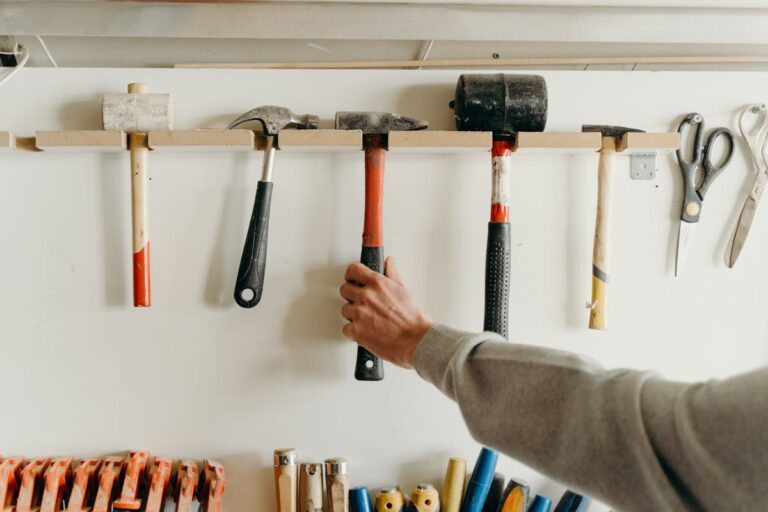
If you’re trying to figure out how to find a handyman who’s reliable, fairly priced, and actually shows up when they say they will, you’re not alone. The “honey-do” list keeps growing, that leaky faucet won’t fix itself, and your spouse is tired of looking at the gallery wall that’s still leaning against the bedroom wall six months later. The challenge isn’t usually finding a handyman – it’s finding the right one.
This complete 2026 guide walks you through every proven way to find a great handyman, from the best apps and websites to old-school word-of-mouth tactics that still work better than anything else. You’ll also learn how to vet candidates, compare quotes, avoid common scams, and make sure the work gets done right the first time.
Table of Contents
- What Does a Handyman Actually Do?
- The Best Online Platforms to Find a Handyman
- Tried-and-True Offline Methods
- How to Vet a Handyman Before Hiring
- How Much Should a Handyman Cost in 2026?
- Red Flags and Scams to Avoid
- Handyman vs. Specialist: Who Should You Hire?
- Setting Up the First Job for Success
- Building a Long-Term Relationship With a Handyman
- Frequently Asked Questions
What Does a Handyman Actually Do?
Before you start your search, it helps to know exactly what a handyman is – and what they aren’t. A handyman is a generalist tradesperson who handles a wide range of small to medium home repair, maintenance, and improvement tasks. Think of them as the family doctor of your house, while electricians, plumbers, and HVAC techs are the specialists.
Typical handyman jobs include:
- Mounting TVs, shelves, mirrors, and artwork
- Patching drywall, sanding, and touch-up painting
- Replacing light fixtures, ceiling fans, and outlets
- Caulking tubs, sinks, and windows
- Installing closet organizers and IKEA furniture
- Fixing leaky faucets, running toilets, and stuck garbage disposals
- Replacing rotted trim, weather stripping, and door hardware
- Cleaning gutters and pressure washing decks
- Minor deck and fence repairs
- Childproofing and accessibility upgrades like grab bars
What a handyman generally shouldn’t tackle: gas line work, major electrical panel changes, structural framing, roof replacement, and licensed plumbing inside walls. Many states cap the dollar value of jobs a non-licensed handyman can perform, so larger projects usually require a licensed contractor. We’ll come back to that in the licensing section.
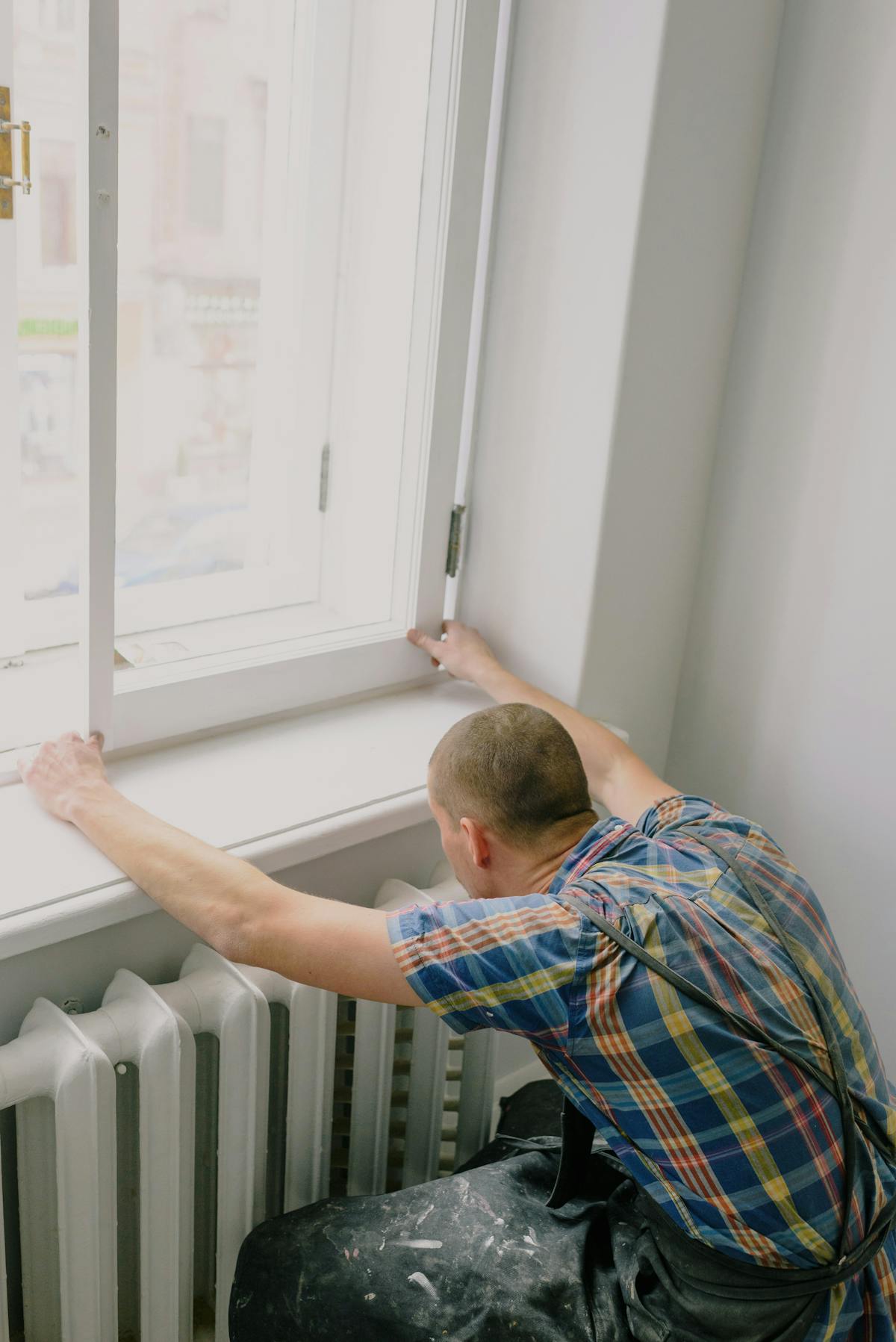
The Best Online Platforms to Find a Handyman
The fastest way to find a handyman in 2026 is through one of the major service marketplaces. Each platform has its strengths – knowing which to use for your specific job can save you hours and hundreds of dollars.
1. Thumbtack
Thumbtack is one of the most popular places to find local handymen. You describe your job, set your timeline, and within minutes you’ll receive quotes from pre-screened pros in your area. Profiles show star ratings, response times, photos of past work, and a “Top Pro” badge for the most consistent providers.
Best for: Comparing multiple quotes quickly. Worst for: Last-minute same-day repairs in smaller markets.
2. Angi (formerly Angie’s List)
Angi has been the go-to homeowner directory for decades and is now one of the largest review-driven networks. The reviews are usually detailed and honest because Angi screens for fake submissions. You can request quotes, schedule directly, and even book some services with upfront pricing.
Best for: Larger projects where vetting matters. Worst for: Tiny micro-jobs (you’ll get faster results elsewhere).
3. TaskRabbit
Owned by IKEA, TaskRabbit specializes in small, fast jobs – especially furniture assembly, mounting, and minor home tasks. “Taskers” are independent workers, not full handyman businesses, so pricing tends to be lower and scheduling is more flexible. You can often book someone for the same day.
Best for: Quick, sub-$200 tasks. Worst for: Large repair or remodel projects.
4. Mr. Handyman, Ace Handyman Services, and Other National Franchises
If you’d rather hire a uniformed pro from an established company than gamble on an independent, national franchises like Mr. Handyman, Ace Handyman Services, and Neighborly’s Handyman Connection are reliable choices. They’re more expensive than independent handymen but include warranties, background checks, and predictable scheduling.
Best for: People who value insurance and warranties over price. Worst for: Budget-conscious homeowners.
5. Better Business Bureau (BBB) and Yelp
Both BBB.org and Yelp let you filter local handymen by rating, complaints, and verified reviews. BBB is particularly useful for spotting red flags – businesses with multiple unresolved complaints jump out immediately.
6. Nextdoor and Local Facebook Groups
Don’t sleep on neighborhood social networks. Nextdoor and local “buy nothing” or homeowner Facebook groups are full of recommendations from real neighbors who have actually used the handyman recently. The accountability is built in – nobody wants to recommend a bad pro to people they live next to.
7. Google Maps and Local Business Search
A simple “handyman near me” Google search surfaces local businesses with reviews, photos, and contact info. Look for pros with at least 30 reviews and a 4.6+ star average. Don’t be afraid to scroll past the ads to the organic map listings, which often surface smaller, owner-operated businesses with stronger personal service.
Tried-and-True Offline Methods
Online tools are great, but the best handyman in your zip code may not have any kind of online presence at all. The most reliable handymen often stay booked through word of mouth alone.
Ask Friends, Family, and Neighbors
This is still the gold standard. A trusted recommendation from someone whose home you’ve actually been inside is worth ten online reviews. When you ask, get specifics: What was the job? How much did it cost? Did they show up on time? Was there a follow-up issue? Would they hire them again?
Check With Your Real Estate Agent
Real estate agents work with handymen constantly to prepare homes for sale. A good agent has a short list of pros they trust to do quality work fast – and they’ll usually share names freely because they want their clients (current and former) to be happy.
Hardware Store Bulletin Boards and Counter Staff
Walk into your local Ace Hardware or independent lumberyard and ask the manager who they recommend. Independent hardware stores are tiny ecosystems where the same handymen come in five days a week. The staff knows who’s reliable, who’s cheap, and who to avoid.
HOA Boards and Apartment Building Managers
If you live in an HOA community or rental property, the building manager or HOA board has a vetted list of handymen they hire repeatedly. Ask if they’ll share contacts.
Local Faith Communities and Senior Centers
Churches, synagogues, mosques, and senior centers often maintain informal lists of handymen who do good work at fair prices, especially for older homeowners. These networks tend to weed out unreliable pros quickly.
How to Vet a Handyman Before Hiring
Once you have two or three promising candidates, it’s time to do your homework. A 20-minute vetting process can save you thousands of dollars and weeks of headaches.
1. Verify Licensing and Insurance
Handyman licensing rules vary wildly by state. Some states (like Arizona, California, Oregon, and Washington) require a contractor’s license for any job over a certain dollar threshold – often as low as $500–$1,000. Other states have no handyman licensing requirements at all.
Even where a license isn’t required, insurance is non-negotiable. At minimum, your handyman should carry general liability insurance ($1 million is standard) and, if they have employees, workers’ compensation. Ask for a certificate of insurance (COI) – a real handyman will email this to you in 30 seconds. If they hesitate, walk away.
2. Read Reviews – But Read Them Carefully
A 4.9-star average is meaningless if it’s based on three reviews. Look for handymen with at least 30 reviews across multiple platforms (Google, Yelp, Angi, Nextdoor). Pay extra attention to the 3-star reviews – they tend to be the most balanced and informative. And read the responses to negative reviews. A pro who responds professionally to a complaint is usually a pro you can work with.
3. Ask for References
For any job over $500, ask for two or three references from recent customers. Then actually call them. Ask: How long ago was the work done? Has the repair held up? Did the final price match the quote? Would you hire them again?
4. Look at Their Truck and Tools
This sounds petty, but it’s revealing. A serious handyman drives a clean, organized truck or van with labeled tools and an obvious system. A handyman who shows up in a beat-up sedan with a single ratchet set rolling around the trunk may still do good work, but the odds are lower.
5. Get Everything in Writing
Insist on a written estimate that includes scope of work, materials, labor cost, total price, payment schedule, and a target completion date. Verbal estimates are where most disputes start.
How Much Should a Handyman Cost in 2026?
Pricing varies by region, but the 2026 national averages are roughly:
- Hourly rate: $50–$140 per hour, with most independent handymen at $65–$95
- Half-day minimum: $180–$350 (typical for service call jobs)
- Full-day rate: $400–$900
- Trip charge or service fee: $50–$125 (waived if you hire them)
National franchises like Mr. Handyman typically charge 25–40% more than independents because they include insurance, background checks, and warranties on labor. Whether that premium is worth it depends on the job and your risk tolerance.
How to Get Fair Quotes
The “rule of three” is the simplest way to know if you’re being quoted fairly: get three written estimates. Toss the highest and the lowest, and go with the middle if all else is equal. If two are close and one is way off, that’s a red flag on the outlier.
For larger jobs, ask for an itemized quote separating labor from materials. Some handymen mark up materials 15–25% – that’s normal – but you should know it’s happening. If you’d rather buy materials yourself, just say so up front.
Hourly vs. Flat-Rate
For small, well-defined tasks (mounting a TV, replacing a light fixture), insist on a flat rate. For open-ended troubleshooting (a mystery leak, a door that won’t close right), hourly is fairer to both of you – but cap the total before they start.
Red Flags and Scams to Avoid
Most handymen are honest people doing honest work. But the trade attracts a small number of bad actors, especially after natural disasters and in areas with lots of older homeowners. Watch for these warning signs:
- Door-to-door solicitation. Reputable handymen don’t go door-to-door drumming up business. Unsolicited offers – especially after a storm – are almost always scams.
- Cash-only with a large deposit demand. A 10–25% deposit on materials is normal for big jobs. Demanding 50%+ in cash up front, or insisting on a wire transfer, is a major red flag.
- “I just happen to be in the neighborhood” pitches. Pros run on schedules, not coincidences.
- No physical address, no business name, no email. A handyman who can’t be looked up anywhere is a handyman who can’t be held accountable.
- Pressure tactics and “today only” pricing. Real pros will hold a quote for at least a week.
- Asking to use your tools, ladder, or power. Occasionally fine for a small task, but a pattern suggests an unprepared or under-equipped operator.
- Missing licenses or COI. If they can’t produce them, assume they don’t have them.
If you’ve been scammed, file a complaint with your state attorney general, the BBB, and the platform where you found them. Negative reviews from scam victims are how the next homeowner avoids the same person.
Handyman vs. Specialist: Who Should You Hire?
Knowing when to call a handyman versus a licensed specialist will save you money and, in some cases, prevent disasters. Here’s a quick decision guide:
Hire a Handyman When…
- The job takes less than a day
- It involves multiple small unrelated tasks (a “honey-do” list day)
- It’s cosmetic or surface-level: paint, caulk, trim, drywall patches
- The fix doesn’t require permits or inspections
- Total cost is under $1,000–$1,500
Hire a Specialist When…
- The work is inside walls, behind drywall, or under the slab
- It involves gas, sewer lines, or main electrical service
- It requires a building permit
- It will affect home insurance or resale value
- It’s safety-critical (roof load, structural beams, chimney)
For some jobs, a handyman can do the prep and a specialist can do the licensed portion. For example, a handyman can rip out an old vanity, but a licensed plumber should handle the supply and drain reconnection if local code requires it.
If you’re not sure, related guides on howtofind.org can help you find specialists, including how to find a plumber, how to find a good electrician, and how to find a good contractor for larger projects.
Setting Up the First Job for Success
Once you’ve picked a handyman, a little prep before they arrive will save time, reduce surprise charges, and help you build a working relationship.
Make a Single Prioritized List
Don’t dribble out tasks one at a time. Walk the house with a notebook and write down every small repair you’ve noticed in the past six months. Prioritize so the most important jobs get done first if you run out of time.
Take Photos in Advance
Snap a phone picture of every problem area before the visit. Email or text the photos to the handyman the day before so they can confirm scope and bring the right parts. This single habit eliminates 80% of “I have to come back tomorrow” charges.
Buy Materials in Advance – Or Don’t
If your handyman charges a markup on materials, you can save money by buying them yourself. But if you’re not sure exactly what to get, let the pro source it. Bringing the wrong-size part is more expensive than the markup.
Clear the Work Area
Move furniture, take down breakables, and unplug electronics near the work zone. Charging $90/hour to move your couch is the single most avoidable cost in handyman work.
Be Around – But Not Hovering
Stay home for the first job so you can answer questions and approve any scope changes. Just don’t watch over their shoulder – it slows them down and makes everyone uncomfortable.
Building a Long-Term Relationship With a Handyman
The single biggest hack for hiring handymen is finding one good one and keeping them. A handyman who already knows your house, your style, and your quirks works faster, charges less, and prioritizes your calls. Here’s how to build that relationship:
- Tip well on the first job. 10–15% of a small bill is plenty and signals you’re a customer worth coming back to.
- Pay promptly. Invoices that sit for two weeks tell a handyman you’re not a priority customer.
- Refer them. Nothing earns loyalty like sending a friend who turns into a regular client.
- Be flexible on scheduling. If they need to move you a day for a bigger emergency job, don’t make a stink.
- Communicate via their preferred channel. Some prefer text, some email, some phone calls. Match their style.
After two or three jobs with a good handyman, you’ll have someone you can call once a year for a “spring tune-up” walkthrough where they handle everything that’s worn, broken, or about to break. That single annual visit can prevent thousands of dollars in deferred-maintenance damage.
Frequently Asked Questions
How do I find a handyman near me on short notice?
For same-day or next-day service, TaskRabbit and Thumbtack are the fastest options because they show real-time availability. National chains like Mr. Handyman often have same-week openings. Local Facebook groups can also surface a neighbor who knows someone available today.
Do handymen need a license?
It depends on your state. About half of U.S. states have some form of handyman or contractor licensing, usually triggered by a project dollar amount (commonly $500, $1,000, or $5,000). Always check your state’s licensing board website before hiring for any job over $500.
What’s the difference between a handyman and a contractor?
A handyman handles small, mostly cosmetic repairs and maintenance. A general contractor manages larger projects – additions, remodels, anything requiring permits, subcontractors, or inspections. Many handymen are also licensed contractors, but not all contractors do small handyman work.
How much should I tip a handyman?
Tipping isn’t expected, but it’s appreciated for great service. $10–$20 per visit, or 10% on a half-day job, is generous and memorable. For franchise pros, tipping is less common because pricing is set by the company.
Can a handyman do electrical work?
Most handymen can swap a light fixture, a ceiling fan, or an outlet – but only with the breaker off and only on existing circuits. Anything involving the breaker panel, new circuits, or rewiring should go to a licensed electrician for safety and code compliance.
How long should a handyman job take?
It depends on the work, but typical small jobs are 30 minutes to 2 hours each. A productive half-day visit (4 hours) can knock out 4–8 small tasks if you’ve prepped well and consolidated the list.
Should I pay a handyman before or after the job?
For most jobs under $1,000, pay after the work is done and you’ve inspected it. For larger jobs requiring expensive materials, a 10–25% deposit is reasonable. Never pay the full balance up front.
What’s the best app to find a handyman?
For small same-day tasks, TaskRabbit. For comparing multiple quotes, Thumbtack. For reading detailed reviews on bigger jobs, Angi. For brand-name reliability, Mr. Handyman or Ace Handyman Services. Most experienced homeowners use a combination depending on the job.
Can I find a handyman who works on weekends?
Yes. Many independent handymen work Saturdays for the same rate, and some specialize in weekend availability. Expect a slight premium ($10–$25/hour) for evening or Sunday work.
What questions should I ask a handyman before hiring?
The five essential questions: (1) Are you licensed and insured – can I see your COI? (2) How do you charge – hourly or flat rate? (3) Do you offer any warranty on your work? (4) Can you provide two recent references? (5) When can you start, and how long will the job take?
Final Thoughts
Finding a great handyman is one of the highest-leverage decisions a homeowner can make. The right one keeps your house running smoothly for decades; the wrong one creates problems that linger long after the truck pulls away. Use the platforms in this guide to build a short list, vet aggressively for license and insurance, get three written quotes, and start with a small test job before committing to anything big.
Once you find a good one – tip them, refer them, and keep them. Your future self, your spouse, and your “honey-do” list will thank you.