
If you’ve ever caught yourself scrolling through your phone for the third hour in a row and thought, “I really need a hobby,” you’re not alone. Figuring out how to find a hobby that genuinely fits your personality, schedule, and budget is one of the most common questions adults ask themselves, especially as work, family, and screens take up more of our time. The good news? You don’t need an artistic gift, an enormous budget, or unlimited free time to find a hobby you love. You just need a method.
This guide walks you through exactly how to find a hobby that sticks: how to figure out what you’ll actually enjoy, how to pick between hundreds of options without getting overwhelmed, where to try things for free, and how to keep going when the novelty wears off. Whether you want something creative, social, physical, or relaxing, by the end of this article you’ll have a clear plan and a list of hobbies worth trying this week.
Table of Contents
- Why Finding a Hobby Matters More Than You Think
- Step 1: Run a Quick Self-Assessment
- Step 2: Explore the Five Major Hobby Categories
- Step 3: Test Hobbies Cheaply Before You Commit
- Step 4: Where to Find Hobbies and Hobby Communities
- Step 5: Match the Hobby to Your Budget
- Step 6: Make Time When You Don’t Have Any
- Step 7: How to Make a New Hobby Stick
- Common Mistakes That Kill New Hobbies
- 100+ Hobby Ideas Sorted by Personality
- Frequently Asked Questions
Why Finding a Hobby Matters More Than You Think
Most people treat hobbies as a “nice to have”, something for retirees or people with too much free time. The research says otherwise. Studies from the Journal of Occupational and Organizational Psychology and the National Institutes of Health consistently link regular hobby engagement to lower stress, better sleep, improved mood, sharper cognitive function in older adults, and even higher job performance.
A hobby is essentially a self-directed activity you do for the joy of it, not because you have to. That structural difference matters. Work, parenting, and chores are all reactive, you do them because something or someone needs you. A hobby is one of the only times in modern adult life when you get to choose, build mastery, and feel agency for its own sake. That’s why people who have a hobby they love report feeling more like themselves, even when the rest of life is chaotic.
There’s also a social benefit. Loneliness is at record highs in the United States, and hobbies are one of the easiest entry points to new friendships. Run clubs, board game nights, gardening collectives, photography meetups, choirs, knitting circles, adult friendships in your 30s, 40s, and 50s are increasingly built around shared activities, not workplaces or schools. Finding a hobby isn’t just about filling time. It’s about building a life you actually like living in.

Step 1: Run a Quick Self-Assessment
Before you Google “best hobbies 2026” and get buried in lists, spend ten minutes answering five honest questions. The answers will eliminate 80% of the options that don’t fit your life.
What did you love before you were 12?
Think back to the activities that made you lose track of time as a kid, the ones nobody had to remind you to do. Drawing, building Lego, climbing trees, organizing your sticker collection, writing fan stories, playing pretend games. These weren’t random. They were early signals about how your brain prefers to engage with the world. Adult hobbies that mirror those childhood interests have an unusually high stickiness rate.
What do you secretly envy in other people?
Pay attention to envy, it’s a useful diagnostic tool. When a friend casually mentions they’re learning piano, training for a marathon, or growing their own vegetables, do you feel a small pang? That pang is information. It’s pointing at something you’d find meaningful if you let yourself try it.
How much social interaction do you actually want?
Some hobbies are deeply solitary (reading, watercolor painting, fishing). Others are inherently social (improv, team sports, dance classes). If you’re already drained from your day job, a club-based hobby may feel like more work. If you spend your days alone, a solo hobby may deepen the loneliness. Be honest about which direction you need to go.
Do you want to make something or experience something?
Maker hobbies (cooking, woodworking, sewing, ceramics, writing) end with a tangible result. Experience hobbies (hiking, traveling, going to live music, birdwatching) leave you with memories rather than objects. Both are valid. Knowing which type you crave narrows the list quickly.
How much energy do you have at the end of a normal day?
If you’re physically exhausted by 7 p.m., a hobby that requires high energy will lose to your couch every time. Pick something that meets you where your real energy level is, not where you wish it were.
Step 2: Explore the Five Major Hobby Categories
Almost every hobby on earth fits into one of five buckets. Browsing by category is more efficient than scrolling endless lists.
Creative hobbies
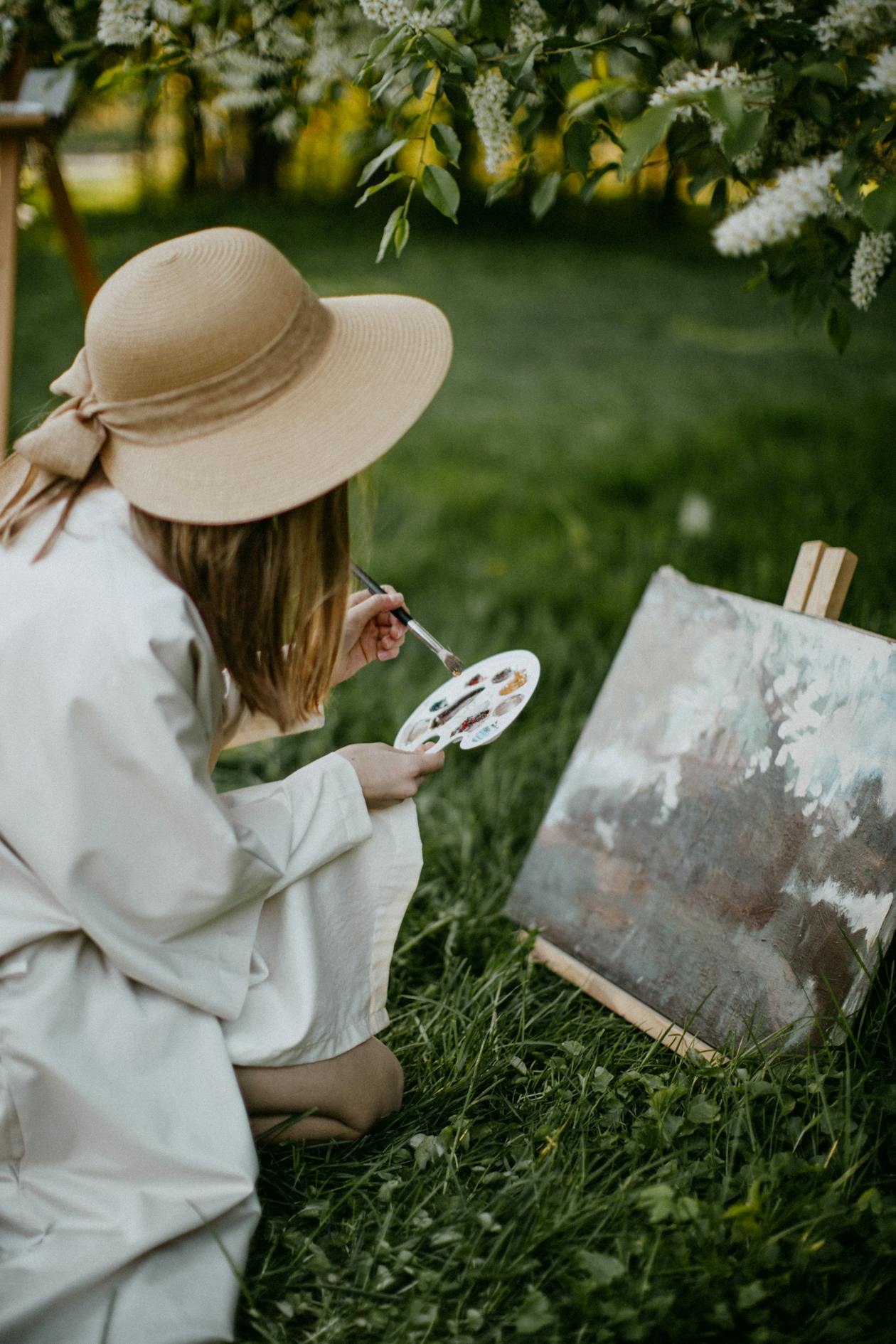
These involve making something new, usually with your hands or imagination. Painting, drawing, photography, creative writing, knitting, pottery, woodworking, music production, baking, calligraphy, and digital design all live here. Creative hobbies are great if you spend your workday on screens or in meetings and crave something tactile or expressive.
Physical hobbies
Anything that gets your body moving belongs here: running, cycling, weightlifting, hiking, rock climbing, swimming, yoga, martial arts, dancing, or recreational sports leagues. Physical hobbies double as exercise without feeling like obligation, and they’re a strong choice if you sit at a desk most of the day.
Intellectual hobbies
These keep your mind challenged: chess, language learning, reading, journaling, history podcasts, learning a new instrument, coding personal projects, or studying a subject just for fun. Intellectual hobbies are particularly satisfying for people whose work doesn’t engage them mentally.
Collecting and curating hobbies
Some people get genuine pleasure from acquiring, organizing, and learning about a category of objects: vinyl records, vintage cameras, coins, books, plants, sneakers, fountain pens, board games, fragrances. These hobbies build slowly over years and can become deep areas of expertise.
Service and community hobbies
Volunteering, mentoring, coaching a kids’ team, joining a community garden, organizing a neighborhood book club, or contributing to open-source projects. These hobbies blend personal interest with helping others, and they tend to produce the strongest friendships.
Most well-rounded people end up with at least one hobby from two different categories, for example, a creative outlet plus a physical one. You don’t need to commit to that now, but keep it in mind as you explore.
Step 3: Test Hobbies Cheaply Before You Commit
One of the biggest reasons new hobbies fail is the “all-in” trap: someone decides to learn photography, drops $1,500 on a camera, takes 12 photos, and never picks it up again. The financial commitment doesn’t motivate them, it traps them in guilt, which is a terrible motivator.
Instead, test hobbies cheaply for at least four weeks before buying serious gear. Here’s how:
Borrow before you buy. Public libraries now lend out far more than books. Many libraries lend musical instruments, tools, sewing machines, telescopes, ukuleles, GoPros, and even cake pans. Check your local library’s “library of things” or “tool library” page.
Use free trials and intro classes. Most yoga studios, climbing gyms, dance studios, and martial arts dojos offer a free first class or a discounted trial week. Take three or four trial classes at different places before joining anything.
Buy used or rent. For cameras, bicycles, sports equipment, musical instruments, and craft supplies, the used market is enormous. Check Facebook Marketplace, Craigslist, eBay, OfferUp, and local Buy Nothing groups. Renting is often available for higher-end equipment like surfboards, skis, and camping gear.
Watch one or two YouTube videos before spending anything. Beginner tutorials reveal what a hobby actually looks like in practice, not the romanticized version. After 30 minutes of footage, you’ll have a much clearer sense of whether it appeals to you.
The goal of this stage is information, not commitment. You’re trying to find out what you actually enjoy doing, not what you think you should enjoy doing.
Step 4: Where to Find Hobbies and Hobby Communities
Once you have a few candidate hobbies, the next question is where to actually start practicing them and meeting other people who do them. Here are the most reliable places to look:
Meetup.com remains the largest platform for hobby groups in most cities, with everything from photography walks to swing dance nights to hiking clubs. Search by zip code and browse the categories.
Local community centers, parks departments, and recreation centers offer cheap classes in everything from pottery to pickleball. The catalog is usually mailed quarterly or posted online and is dramatically underused.
Facebook Groups are surprisingly active for niche hobbies. Search for “[your city] + [hobby]” and you’ll often find a private group with weekly meetups.
Reddit has a subreddit for almost every hobby, and many of them post weekly threads with beginner advice and gear recommendations from real practitioners.
Independent shops are quietly the best community hubs. Yarn stores often run knitting circles, climbing gyms host bouldering nights, board game cafes host weekly tournaments, and bike shops know every group ride in the area. Walk in and ask.
Skill-sharing apps like Eventbrite, Classpass, and Skillshare make it easy to try a new activity without joining a long-term membership. Eventbrite is particularly good for one-off workshops.
If you’re nervous about showing up alone, that’s normal. The truth is that almost everyone in a beginner class is also there alone, and the regulars are typically delighted to meet new people. Showing up is the hard part.

Step 5: Match the Hobby to Your Budget
Money is one of the biggest hidden barriers to hobbies, but it doesn’t have to be. The trick is matching the hobby’s true cost, including ongoing supplies, subscriptions, and travel, to what you can sustainably spend each month.
Hobbies that cost essentially nothing include reading from the library, walking, running, journaling, drawing with a pencil, bodyweight workouts, birdwatching with a free app like Merlin, learning a language with Duolingo, listening to podcasts, hiking, meditation, chess on Lichess, and writing fiction.
Hobbies that can be done for under $30 a month include yoga at a community studio, knitting, baking, gardening in pots on a balcony, watercolor painting, photography on your phone, board games, geocaching, and most cardio sports if you already own shoes.
Hobbies that require more sustained investment, sometimes $100 to several hundred a month, include rock climbing memberships, scuba diving, golf, woodworking with power tools, road cycling, snowboarding, and most music classes with private instruction.
None of this means expensive hobbies are bad. It just means you should know the real ongoing cost before you start, not after. If you want a related deep dive on saving on essentials so you can afford the fun stuff, our guide on how to find cheap groceries shares dozens of practical tactics that free up money for things you actually enjoy.
Step 6: Make Time When You Don’t Have Any
“I don’t have time” is the most common reason people give for not having a hobby, and it’s almost never literally true. The average American adult watches around three hours of streaming or short-form video per day. Even reclaiming 20 minutes of that is enough to build a hobby.
The technique that works best is anchoring. Don’t try to find a new free chunk of time, attach the hobby to a moment that already exists in your day. Read for 15 minutes after your morning coffee. Sketch for 10 minutes during your lunch break. Practice piano for 20 minutes after the kids go to bed. The trigger is the existing routine; the new behavior just rides along.
It also helps to lower the bar to the point of absurdity. “Run for 30 minutes, three times a week” fails. “Put on running shoes and walk to the end of the block” succeeds, because it’s almost impossible to talk yourself out of. Once you’re outside in your shoes, you’ll usually keep going. Behavior change research calls this the “two-minute rule,” and it’s one of the most reliable ways to start any new habit.
If your schedule is genuinely full, consider whether there’s a chore you can reframe. A long walk doubles as transportation. Cooking from scratch can become a hobby instead of a duty. Listening to an audiobook turns the commute into reading time. The goal isn’t to add an extra hour to your day, it’s to make the time you already have feel more alive.

Step 7: How to Make a New Hobby Stick
Most new hobbies die in the first 30 days, not because the hobby was wrong but because the strategy was. These five rules dramatically improve the survival rate of a new hobby.
1. Schedule it. “Whenever I have time” means never. Put it on your calendar with a real time and a real day, the same way you would a doctor’s appointment. Treat it as non-negotiable for at least the first month.
2. Track it visibly. A simple paper calendar on the fridge with an X for every day you do the hobby is one of the most effective behavior-change tools ever invented. The visual streak becomes its own reward.
3. Find one person to do it with. Hobbies with a partner or community survive at roughly twice the rate of solo hobbies. The accountability is real, and so is the fun. If you don’t have anyone to invite, join a beginner class, the people next to you are your future hobby friends.
4. Embrace the awkward beginner phase. You will be bad at first. Everyone is. The trick is to enjoy being a beginner instead of resisting it. Adults often quit hobbies because they expect to be competent quickly; the people who stick around are the ones who treat the bumbling phase as the most fun part.
5. Don’t quit on a bad day. Every hobby has off days, plateaus, and moments where it feels pointless. Make a personal rule: you can quit a hobby, but only after a great session, never a bad one. This single rule prevents most premature quitting.
Common Mistakes That Kill New Hobbies
If you’ve tried to find a hobby before and it didn’t stick, one of these patterns is probably the reason.
Choosing a hobby for who you want to be instead of who you are. Wanting to be “the kind of person who reads classic literature” is different from actually wanting to read classic literature. The hobby has to match your real preferences, not your idealized self-image, or it will feel like homework.
Trying to monetize it immediately. The fastest way to ruin a new interest is to start asking whether you could turn it into a side hustle. Let it be useless. Let it be just for you. Once you start measuring it by how marketable it is, the joy evaporates within weeks.
Buying everything before you’ve tried anything. Big up-front purchases create pressure, not motivation. Gear should follow commitment, not lead it.
Going too hard, too fast. The person who runs five miles on day one and is too sore to move on day three rarely runs a fourth time. Start with what feels almost too easy, then build slowly.
Comparing yourself to people on social media. The watercolor account you follow has been painting for 12 years. The home cook with the perfect sourdough has baked 400 loaves. Your beginner work is fine. It’s supposed to look like beginner work.
100+ Hobby Ideas Sorted by Personality
If you’re still stuck, scroll this list and notice which ones make you slightly curious. That curiosity is the signal, follow it.
For introverts who want to recharge
Reading, journaling, watercolor painting, knitting, embroidery, jigsaw puzzles, model building, calligraphy, gardening, baking, birdwatching, fly fishing, candle making, soap making, pottery at home, learning a language solo, solo hiking, photography, creative writing, crossword puzzles.
For extroverts who want to meet people
Improv, social dance (salsa, swing, tango, ballroom), recreational sports leagues, choir, community theater, board game nights, run clubs, cycling groups, book clubs, trivia teams, volunteer work, hiking groups, dragon boating, group fitness classes, language exchange meetups, climbing gyms, dance fitness, paintball or airsoft leagues, supper clubs, karaoke nights.
For people who want to move
Running, cycling, swimming, weightlifting, yoga, pilates, rock climbing, hiking, martial arts, boxing, kickboxing, surfing, skateboarding, snowboarding, skiing, tennis, pickleball, basketball, soccer, ultimate frisbee, parkour, archery, fencing, kayaking, paddleboarding.
For people who want to make things
Woodworking, leather crafting, bookbinding, sewing, quilting, jewelry making, candle making, pottery, baking, fermenting, brewing, home cooking projects, drawing, painting, digital illustration, music production, songwriting, podcasting, blogging, building a personal website.
For people who want to learn
Chess, Go, learning a language, programming, history reading, philosophy reading, astronomy, electronics tinkering, birdwatching, mushroom foraging, identifying plants, geology rockhounding, learning a musical instrument, audiobook habit, trivia, sudoku, crossword puzzles, building a curriculum from free university lectures.
For people who want to give back
Volunteering at a food bank, mentoring, tutoring, coaching kids’ sports, animal rescue volunteering, environmental cleanup groups, community garden plots, becoming a CASA volunteer, teaching at the library, contributing to open-source projects, blood donation, becoming a notary for your community, organizing a neighborhood event.
The list above is a starting point, not a finish line. The right hobby is almost always something you’ll be slightly embarrassed to admit you want to try. Follow that embarrassment, it’s pointing at something real.
Frequently Asked Questions
How do I find a hobby when nothing sounds interesting?
This usually isn’t a hobby problem, it’s a burnout problem. When you’re depleted, almost everything sounds boring or exhausting. Start with rest first. Take a long walk every day for two weeks, sleep more, and reduce screen time. Curiosity returns quickly when your nervous system isn’t fried. Then revisit the list above and notice what produces even a small flicker of interest.
How do I find a hobby as an adult with no money?
Start with the free hobbies list above: walking, running, reading from the library, journaling, drawing, bodyweight workouts, birdwatching, learning a language with free apps, podcasts, hiking, meditation, chess online, and creative writing. Many libraries also lend musical instruments and tools at no cost.
How do I find a hobby I’m actually good at?
You don’t, at least not at first. Skill follows time invested. Pick a hobby you enjoy doing badly, and you’ll naturally get better with practice. The people who get good at hobbies are the ones who didn’t quit while they were bad.
What is the best hobby for stress relief?
Research consistently points to four standouts: walking outdoors, gardening, any rhythmic creative activity (knitting, drawing, pottery), and meditation. All four reduce cortisol and produce measurable improvements in mood within weeks. Pick whichever one fits your life best.
How long does it take to know if a hobby is right for me?
Give it at least four to six weeks of regular practice before deciding. The first two weeks of any new hobby feel awkward and slow. The interesting part, the moment when you start to feel competent and notice progress, usually shows up around week three or four.
How do I find a hobby that fits my busy schedule?
Look for hobbies that fit into 15- to 30-minute windows: reading, journaling, sketching, language learning, meditation, instrument practice, knitting, or short bodyweight workouts. Anchor them to existing routines like morning coffee or post-dinner downtime, and they’ll fit even very full schedules.
Can a hobby become a career?
Sometimes, but be careful what you wish for. Turning a hobby into income often kills the joy that made it a hobby in the first place. If you’re tempted, keep one purely-for-fun hobby alongside the one you monetize. Many career changers also explore how to find a remote job in a field they love before committing to full self-employment.
What if I get bored of my new hobby?
That’s normal. The first wave of excitement always fades around weeks three to six, and that’s exactly when most people quit. Push through that valley and you usually find a deeper, steadier enjoyment on the other side. If you genuinely don’t enjoy it after eight weeks, switch to something else without guilt, exploration is part of the process.
Should I tell people about my new hobby?
Tell one or two trusted people, not everyone. Telling a small circle increases accountability without creating performance pressure. Announcing a new hobby loudly on social media tends to backfire, research shows that public announcements can give your brain a hit of accomplishment that reduces follow-through.
Where can I find more hobby inspiration?
Beyond the resources mentioned above, browse subreddits like r/hobbies, r/findapath, and the niche subreddit for any specific activity that catches your eye. The /r/hobbies “weekly hobby” threads are particularly good for discovering things you’d never have thought of. If you’re more focused on building a meaningful long-term pursuit, our companion piece on how to find your passion goes deeper into purpose-driven activities.
Final Thoughts
Figuring out how to find a hobby isn’t really about finding the perfect activity, it’s about giving yourself permission to be a beginner, to spend time on something that doesn’t pay you, and to follow your curiosity without needing to justify it. Pick one thing from this guide that made you slightly curious, schedule a 30-minute trial this week, and see what happens.
You don’t need to find your forever hobby on the first try. You just need to start exploring. The people with the richest hobby lives almost always tried five or ten things before finding the two or three they really love. Your job for the next month is to be one of those people, willing to try, willing to be bad, and willing to enjoy the process.