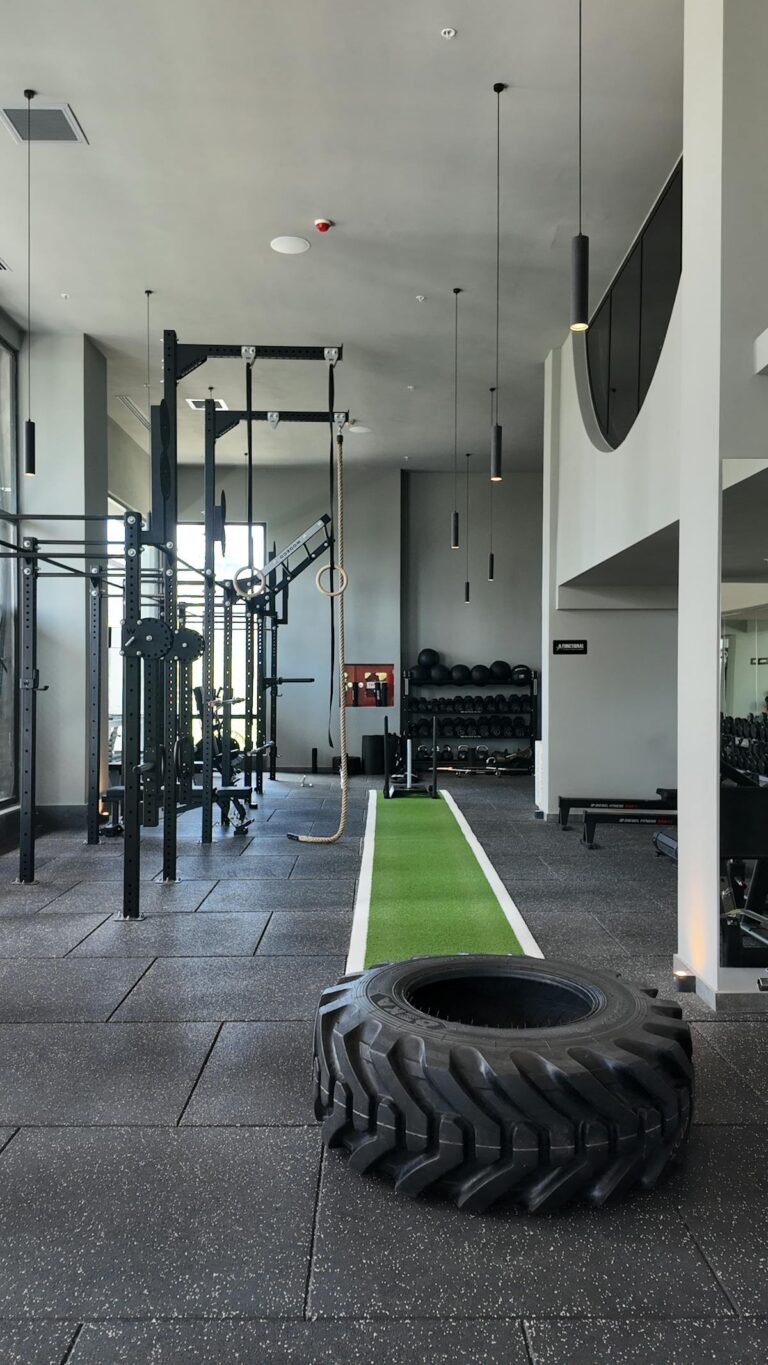
Joining a gym is one of the simplest and most cost-effective ways to take control of your health, but figuring out how to find a good gym is harder than it sounds. Between predatory contracts, broken equipment, intimidating atmospheres, and locations that are inconvenient to actually visit, plenty of people sign up for a membership only to abandon it within a few months. The right gym, on the other hand, becomes a second home — a place where progress feels inevitable and showing up doesn’t require willpower.
This guide walks you through every step of the process, from defining your fitness goals to negotiating contract terms. By the end, you’ll know exactly what to look for, what red flags to avoid, and how to pick a fitness facility that fits your lifestyle, budget, and ambitions in 2026 and beyond.
Table of Contents
- Why Finding the Right Gym Matters
- Step 1: Define Your Fitness Goals First
- Step 2: Set a Realistic Monthly Budget
- Step 3: Pinpoint the Perfect Location
- Step 4: Make a List of Must-Have Amenities
- Step 5: Research Gyms Online
- Step 6: Tour the Gym in Person
- Step 7: Take Advantage of a Trial Pass
- Step 8: Read the Contract Carefully
- Different Types of Gyms (and Who They’re For)
- Red Flags to Watch Out For
- Hidden Costs to Ask About
- Frequently Asked Questions
Why Finding the Right Gym Matters
According to industry research, more than half of new gym members stop showing up within the first six months of joining. The single biggest reason isn’t laziness — it’s friction. The gym is too far. The hours don’t fit. The vibe feels wrong. The equipment is always taken. The contract turned out to be more expensive than expected.
When you take the time to choose a gym deliberately, you remove those obstacles before they have a chance to derail you. The right facility gives you a workout environment that matches your goals, a community that reinforces good habits, and pricing that doesn’t quietly drain your bank account. That’s why learning how to find a good gym is worth a few hours of upfront research — it can save you years of false starts.
Step 1: Define Your Fitness Goals First
Before you compare a single membership, get clear on what you actually want to accomplish. Different goals require very different facilities, and a “great gym” for one person can be a frustrating mismatch for another.
Ask yourself: am I trying to lose weight, build muscle, train for a specific sport, improve cardiovascular health, recover from an injury, or just stay generally active? Your answer determines what equipment, classes, and staff expertise you’ll need.
Common Goals and What to Look For
Weight loss and general fitness. Look for a gym with plenty of cardio equipment (treadmills, ellipticals, rowers, bikes), group fitness classes like spin, HIIT, or boot camp, and ideally a class schedule that runs at times you can realistically attend.
Strength training and muscle building. Prioritize free-weight areas with multiple squat racks, benches, a deadlift platform, dumbbells up to at least 100 pounds, and a few cable machines. Avoid “lifestyle” clubs that only stock fixed-machine circuits.
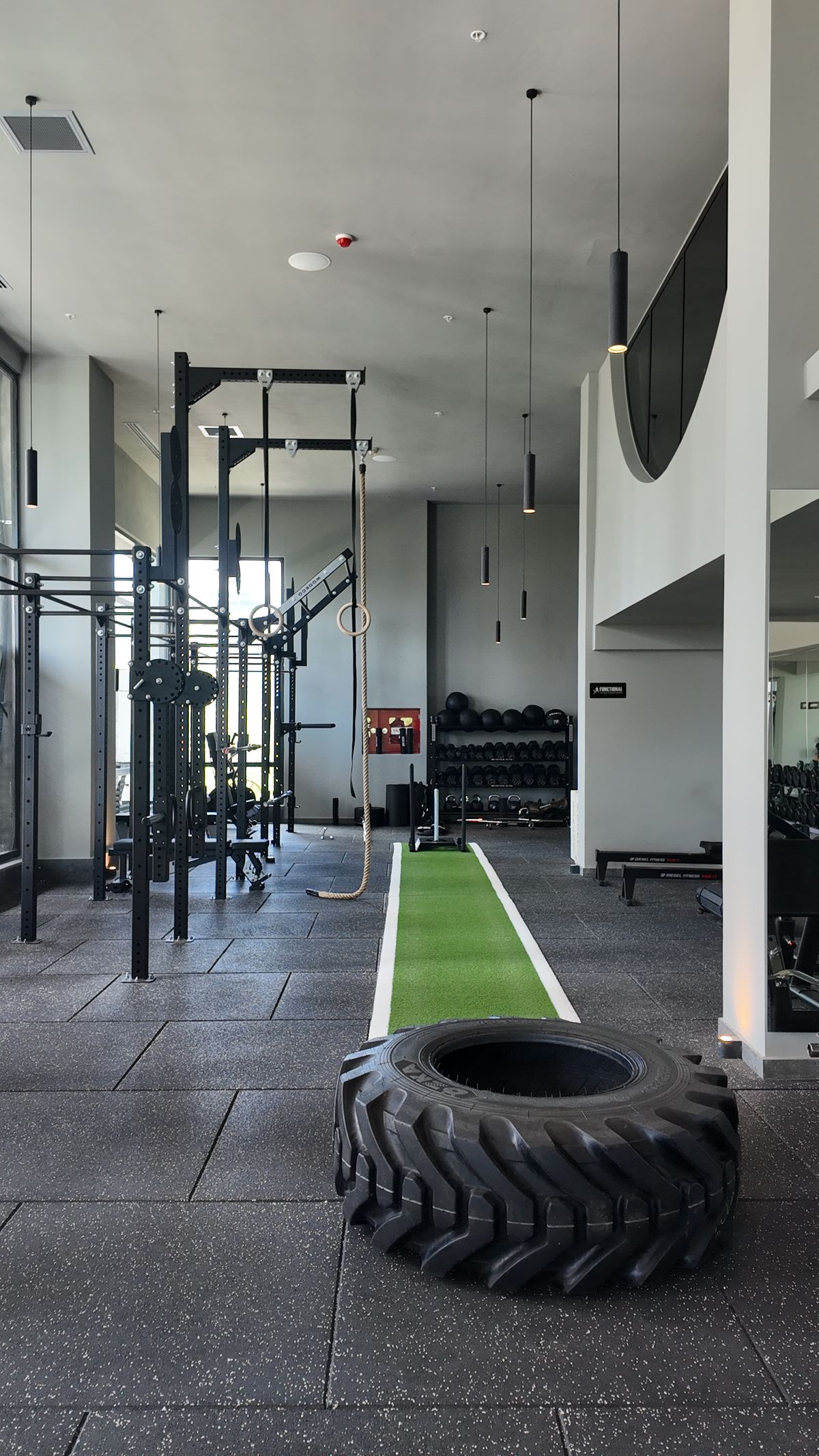
Functional fitness or CrossFit-style training. Look for a box-style facility with rigs, kettlebells, plyo boxes, sleds, and open floor space rather than a traditional commercial gym.
Sports performance. Seek out gyms with turf areas, agility tools, plyometric equipment, and trainers who specialize in athletic development.
Recovery, mobility, or aging well. Pools, saunas, hot tubs, group classes like yoga and Pilates, and gentler strength equipment matter most. Many YMCAs and community fitness centers are excellent here.
If you have more than one goal, that’s fine — just rank them. The top one should drive your choice. If you’d like additional help clarifying what you want from exercise long-term, our guide on how to find your passion walks through a similar self-assessment process that translates well to fitness.
Step 2: Set a Realistic Monthly Budget
Gym pricing in 2026 spans an enormous range, from $10 a month at a budget chain to $300+ at a boutique studio. Decide what you can comfortably spend before you tour anywhere — otherwise a charismatic sales rep will gladly help you spend more than you intended.
A few useful price benchmarks to keep in mind:
- $10–$25/month: Budget chains like Planet Fitness, Crunch Fitness Base, and EOS Fitness. Good basic equipment, limited classes, sometimes crowded.
- $30–$60/month: Mid-tier full-service gyms like LA Fitness, 24 Hour Fitness, Lifetime Basic, and many YMCAs. Pools, classes, broader equipment selection.
- $70–$150/month: Premium gyms like Lifetime Diamond, Equinox basics, and high-end independent clubs. Excellent equipment, deeper class schedules, premium amenities.
- $150–$400+/month: Boutique studios like Barry’s, SoulCycle, Orangetheory, F45, and full-experience clubs like Equinox premium tiers. Smaller classes, signature programming, hospitality-grade service.
Don’t forget to factor in the activation fee (often $50–$200), annual maintenance fees, and any add-ons like personal training, locker rentals, or premium class passes. Two memberships at the same advertised price can have radically different real costs.
Step 3: Pinpoint the Perfect Location
The single best predictor of whether you’ll actually use your membership is how easy it is to get to. The rule of thumb most trainers swear by: if the gym is more than a 15-minute drive (or 10-minute walk) from your home or office, your attendance will quietly collapse.
Map out three potential locations:
- Near your home
- Near your workplace (or coworking space)
- On your commute route
Visit each option at the time of day you’d actually be working out. A gym that looks roomy on a Tuesday at 11 a.m. can be a wall-to-wall mosh pit at 6 p.m. on a Monday. Pay attention to parking availability, walking distance from your car to the entrance, and how safe the surrounding area feels at night if you train after dark.
If you split time between two cities or travel often, look for gyms with multi-location access. Many national chains let you use any branch, which is invaluable for consistent training on the road.
Step 4: Make a List of Must-Have Amenities
Walk into any tour with a written list of what you actually need versus what would be nice to have. Sales staff are masters at showcasing fancy extras that aren’t relevant to your real workout.
Equipment Essentials
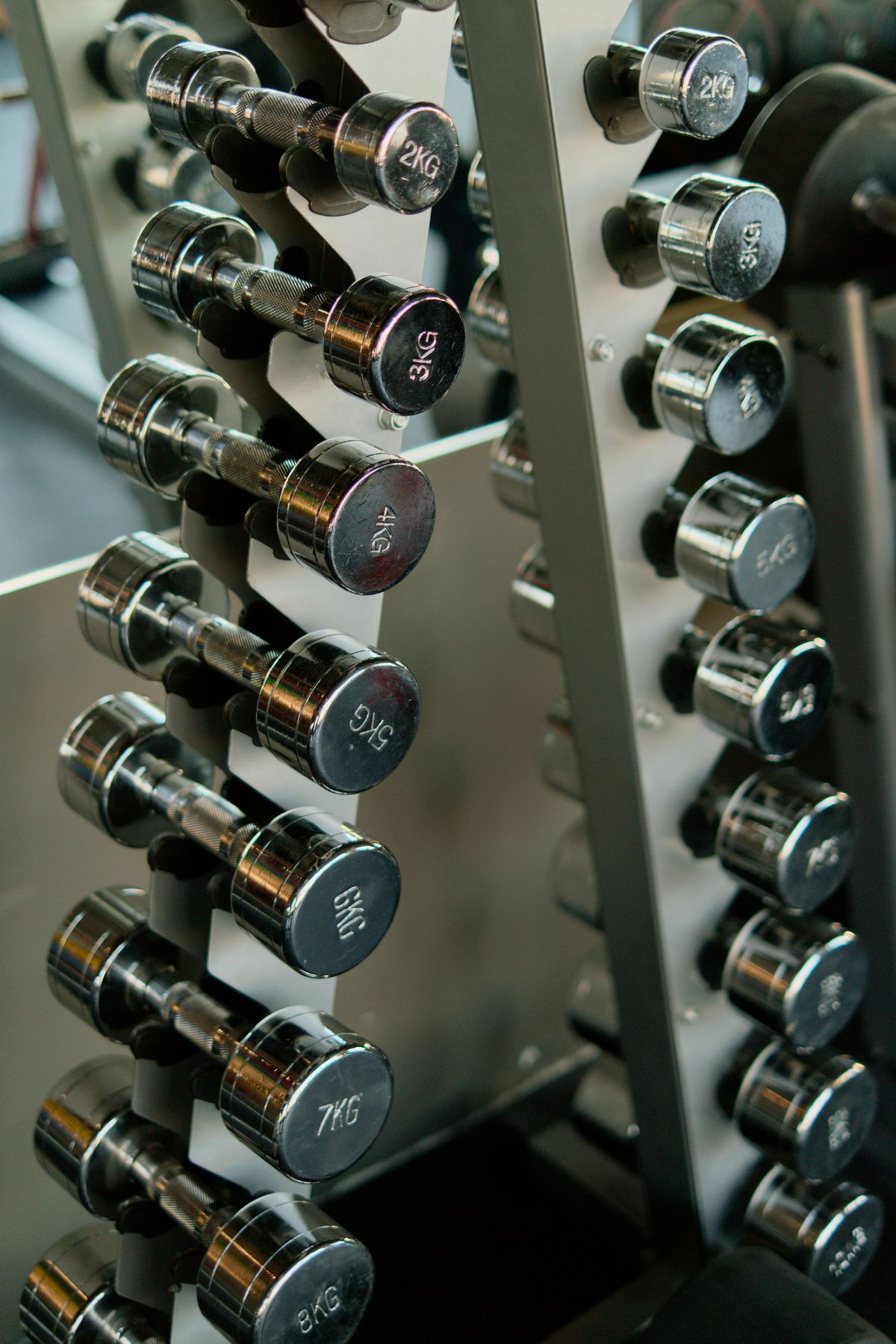
Confirm the gym has enough of the equipment you’ll use most. Two squat racks shared by 200 strength-focused members is a recipe for waiting. Twelve treadmills for a club of 3,000 means the row is always full at 6 a.m. Count, don’t guess.
Group Classes
If classes are part of your plan, ask for the full schedule and check that the classes you want run on days and times you can attend consistently. Find out if classes are included or cost extra, and whether you need to reserve a spot in advance through an app.
Locker Rooms and Showers
Don’t skip the locker room on your tour. Clean showers, working lockers, towels (or not), and the general state of upkeep tell you everything about how the facility treats its members. A grimy locker room is a leading indicator of a poorly run gym, full stop.
Specialty Spaces
Pools, saunas, hot tubs, basketball courts, racquetball or pickleball courts, turf areas, recovery rooms, and on-site child care can all be game changers — but only if you’ll actually use them. Every amenity you pay for and don’t touch is just lifting your monthly rate for no reason.
Child Care
For parents, on-site child care can be the difference between “I make it three times a week” and “I haven’t been since 2024.” Ask about age ranges, hours, included visits per month, and whether you can drop in or need to reserve. If you’re juggling care logistics generally, our guide on how to find a good daycare covers what to look for in any child-care setting.
Step 5: Research Gyms Online
Once you have your goals, budget, and location dialed in, build a shortlist of three to five gyms before you tour any of them. Doing this homework first saves you from getting pressured into a contract on the spot.
Where to Look
Start with Google Maps. Search “gyms near me” and read the latest reviews — not just the average rating, but the actual complaints in the one- and two-star reviews. Patterns matter more than individual reviews. If five different people mention “billing issues” or “broken equipment never fixed,” believe them.
Check the gym’s Instagram and TikTok accounts. The way a gym presents itself tells you a lot about its culture. Are members tagged? Are coaches doing real coaching? Is the energy serious, fun, intimidating, welcoming? You’ll get a feel quickly.
Look at the gym’s website for transparent pricing, an honest equipment list, and a class schedule. Hide-the-ball pricing pages are almost always a sign of an aggressive sales process — you’ve been warned.
What to Ask Friends and Coworkers
Word of mouth is still the gold standard. Ask people who actually train consistently where they go, what they pay, and what they wish they’d known before joining. People who go to the gym love giving advice — you’ll get more than you bargained for.
Step 6: Tour the Gym in Person
You can’t fully judge a gym from a website. Book a tour at every gym on your shortlist and treat it like an interview where you’re the employer. Here’s a checklist to bring with you.
What to Look At During Your Tour
- How busy is the floor at the time you’d actually work out?
- Is the equipment modern and well maintained, or are machines tagged “out of order”?
- Are members wiping down equipment? Are there enough wipe stations and spray bottles?
- How loud is the music, and is the audio system actually working everywhere?
- Is the air conditioning strong enough? Stuffy gyms are a deal-breaker.
- What’s the locker room like (and is there hot water in the showers)?
- Are the staff actually on the floor, helping members, or are they just at the front desk?
- Do trainers look like they know what they’re doing, and are they certified?
What to Ask the Sales Person
- What’s included in the base membership versus what costs extra?
- How long is the contract, and what does it cost to cancel early?
- Is there an annual fee on top of the monthly rate?
- Can I freeze my membership for travel, injury, or seasonal needs?
- What happens to my contract if you go out of business or get acquired?
- What’s the busiest day and hour, and how full does it get?
- How often is new equipment added or replaced?
If any answer is vague, evasive, or “I’ll have to check on that” with no follow-up, take it as data. A well-run gym has clear, immediate answers to all of these questions.
Step 7: Take Advantage of a Trial Pass
Most reputable gyms offer a free day pass, a free 3-day pass, or a discounted first week. Use it. Touring a gym tells you what it looks like; training there tells you what it feels like.
If you can, do a trial workout at the actual time of day you’d usually train. Pay attention to:
- How long you wait for equipment
- Whether the energy of the room matches what you want
- How comfortable you feel asking questions or asking for a spot
- The cleanliness of equipment and floors mid-workout
- Whether you actually look forward to going back tomorrow
That last point is huge. A great gym should leave you a little excited for your next session, not dreading it. If after one or two visits the place feels like a chore, it’s the wrong gym — full stop.
Step 8: Read the Contract Carefully
This is where most people get burned. Gym contracts are notoriously consumer-unfriendly, and the small print is where the real costs live. Never sign on the day of your first tour. Take the contract home, read it carefully, and only commit once you understand every clause.
What to Look For in the Fine Print
Length of commitment. Month-to-month is most flexible, but typically a bit more expensive. A 12-month contract can offer a discount but locks you in even if you move or get injured.
Cancellation policy. Find out exactly how to cancel (in person, by certified mail, by app), how much notice is required, and any cancellation fees. Some clubs still demand a written letter delivered in person — that’s a red flag.
Auto-renewal terms. Many contracts automatically renew at the end of the initial term unless you cancel within a tight window. Set a calendar reminder for the day you’d need to give notice.
Price increase clauses. Some contracts allow the gym to raise your rate annually without your consent. Ask if your rate is locked, and get any guarantee in writing.
Freeze options. The right to pause your membership for travel, injury, or military deployment is enormously valuable. Confirm what triggers a free freeze versus a paid hold.
Transferability. Some memberships can be transferred to a spouse or sold to another person if you move. This can be a lifesaver.
If anything is unclear, ask for it to be explained in writing. If the sales rep won’t put a promise on paper, they almost certainly won’t honor it later.
Different Types of Gyms (and Who They’re For)
Not all gyms are the same product. Here’s a quick map of the major categories so you can match the right kind of facility to your goals.
Big-Box Chains
Examples: Planet Fitness, LA Fitness, 24 Hour Fitness, EOS, Crunch. Strengths: low prices, many locations, plenty of cardio and machine selection, 24-hour or extended hours at many branches. Weaknesses: crowded at peak times, limited free-weight depth, basic class programming, occasionally aggressive sales tactics.
Premium Full-Service Clubs
Examples: Equinox, Lifetime Fitness, Bay Club, Sports Club. Strengths: high-end equipment, beautiful spaces, excellent classes, pools and spas, attentive service. Weaknesses: high monthly cost, intimidating culture for some, locations may be limited.
Boutique Studios
Examples: SoulCycle, Barry’s, Orangetheory, F45, Pure Barre, CorePower Yoga. Strengths: highly programmed classes, strong community, motivating coaching, predictable workouts. Weaknesses: expensive per class, narrow training focus, no open-gym time.
CrossFit Boxes and Functional Fitness Gyms
Smaller, coach-led group training in a warehouse-style space. Strengths: strong community, real coaching, varied workouts, results-focused. Weaknesses: high cost ($150–$250/month), intimidating for absolute beginners, programming may not suit specific goals like bodybuilding.
YMCAs and Community Centers
Strengths: affordable, family-friendly, often include pools, gyms, and classes, financial assistance available. Weaknesses: equipment can be older, classes fill up fast, mixed crowd from kids’ swim lessons to seniors’ water aerobics.
Independent Strength Gyms
Often called “iron gyms” or “powerlifting gyms.” Strengths: deep free-weight selection, knowledgeable lifters, serious training culture, fair pricing. Weaknesses: not for everyone — the vibe can feel intense if you’re brand new.
Home Gym Hybrids
If location is your biggest barrier, consider whether a basic home gym plus a class pass like ClassPass might serve you better than a single membership. This combo can be more flexible and even cheaper at certain budgets.
Red Flags to Watch Out For
The right gym signals quality in small, consistent ways. The wrong gym leaks warning signs everywhere. Watch out for these red flags during your research and tours.
- High-pressure sales tactics. “This deal expires today” almost always means “we want to sign you before you have time to think.” A confident, well-run gym lets you sleep on it.
- Pricing that isn’t published. If you have to call or visit just to learn the monthly rate, expect a confusing pricing structure designed to upsell you.
- Broken equipment that’s still broken on your second visit. Tells you exactly how seriously the operator treats maintenance.
- Dirty locker rooms or moldy showers. Hygiene is non-negotiable. If they let the locker room slide, they let other things slide too.
- Reviews mentioning the same problem repeatedly. Billing surprises, contract disputes, broken machines, rude staff — patterns are predictive.
- Empty group fitness studio during peak hours. Either the classes are bad or the schedule is wrong for the local member base.
- Trainers who don’t seem to coach. If the personal trainers are scrolling their phones instead of cuing form, you’re paying premium prices for a glorified rep counter.
- No clear cancellation path. If the contract makes leaving feel impossible, that’s the whole business model.
Hidden Costs to Ask About
Sticker price is rarely the real price. Before you sign anything, get clarity on every charge that could land on your statement.
- Initiation or activation fee: Usually $50–$200, sometimes waived during promotions.
- Annual or “facility maintenance” fee: A second charge that hits once or twice a year on top of monthly dues.
- Personal training packages: Often a significant upcharge with their own cancellation rules.
- Class reservation fees: Some boutique-style classes inside larger clubs cost extra per session.
- Locker rentals: Anywhere from a few dollars to $50+ per month at premium clubs.
- Towel service: Sometimes included, sometimes a monthly add-on.
- Guest passes: Premium clubs often charge $20–$40 per guest visit.
- Cancellation fee: Some long-term contracts charge two to three months of dues to break early.
Run the math on your full annual cost — not the monthly rate — when comparing memberships. A “cheap” gym with a $200 initiation fee, a $59 annual fee, and three required months’ notice to cancel can easily cost more in year one than a slightly higher monthly rate at a transparent competitor.
Putting It All Together
The shortest version of this entire guide: know what you want, set a budget you can sustain, choose a location you’ll actually visit, tour the place at your real workout time, take a trial, and read the contract before you sign. Do all six and you’ll skip the most painful gym membership mistakes that make people quit fitness entirely.
If you’re thinking even bigger — working with a coach, building a long-term training plan, or finally hiring someone to keep you accountable — our guide on how to find a personal trainer walks through how to pair the right coach with your new gym. And if budget is the bottleneck, our piece on how to find cheap prescription drugs shares the same principle that drives gym pricing — never assume the advertised cost is the real cost.
The right gym should feel like an upgrade to your daily life, not a charge on your bank statement you forgot to cancel. Take a few extra hours now, and your future self will thank you every single workout for years to come.
Frequently Asked Questions
How much should I expect to pay for a gym membership in 2026?
Expect anywhere from $10 a month at budget chains like Planet Fitness to $200+ a month at premium clubs and boutique studios. Most full-service gyms with classes, pools, and modern equipment fall between $30 and $80 a month. Always add the initiation fee and annual fee when comparing real cost.
What’s the most important factor when choosing a gym?
Location, by a wide margin. The gym you’ll actually visit consistently is always better than the “perfect” gym you’ll go to twice a month. Aim for under a 15-minute drive or 10-minute walk from your home or office.
Should I sign a long-term contract or pay month to month?
Month to month is more flexible and protects you if you move, get injured, or change jobs. Long-term contracts can save 10–25 percent but lock you in. Only sign a long-term contract if you’ve already trained at the gym for a few weeks and you’re confident you’ll stay.
Are 24-hour gyms worth it?
If you train very early, very late, or on irregular shifts, yes. If you train at typical times like before work or after work, a regular-hours gym can be cheaper and just as useful.
Can I cancel my gym membership if I move?
Many contracts let you cancel penalty-free if you move more than 25 miles from the nearest location, but you typically need to provide proof of address. Read the relocation clause before you sign, and always cancel in writing.
How do I know if a gym is clean enough?
Look for visible cleaning staff, fully stocked wipe stations every few machines, fresh-smelling locker rooms, no mold or grime in the showers, and members who actually wipe down equipment after use. A great test: visit at the busiest time of day and see if the floor still looks maintained.
What if I’m a complete beginner and feel intimidated?
Look for gyms that explicitly market to beginners (Planet Fitness, Anytime Fitness, many YMCAs) and that offer a free orientation or one introductory personal training session. Avoid hardcore powerlifting or bodybuilding gyms until you have basic confidence. The right environment makes a massive difference in your first three months.
Is a boutique studio better than a regular gym?
It depends on how you train. Boutiques like Orangetheory, SoulCycle, and Barry’s are excellent if you want guided group workouts with no decisions to make. Traditional gyms are better if you want to lift heavy, follow your own program, or use a wide variety of equipment.
How long should I commit to a gym before deciding it’s right?
Give a new gym at least four to six weeks of consistent visits. The first week is novelty; the third and fourth weeks tell you whether it actually fits your life. If you’re still excited to go after a month, you’ve found a good gym.