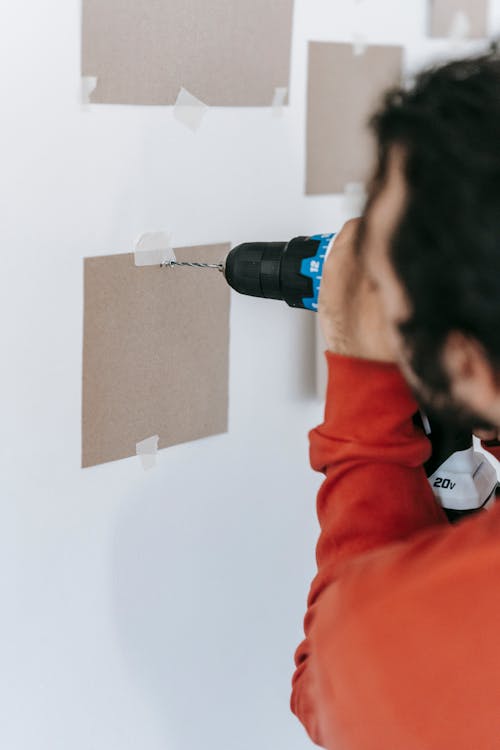
Trying to figure out how to find a stud in a wall? Whether you’re hanging a TV, mounting shelves, or starting a bigger project, locating studs is the first step to doing it safely. In this guide, we’ll walk you through 10 tested methods, from high-tech stud finders to simple tricks that cost nothing.
Table of Contents
- What is a Wall Stud?
- Why Finding Studs Matters
- Understanding Stud Spacing
- Method 1: Electronic Stud Finder
- Method 2: Magnetic Stud Finder
- Method 3: Radar Stud Finder
- Method 4: The Knock Test
- Method 5: Neodymium Magnet
- Method 6: The 16-Inch Measuring Method
- Method 7: Flashlight and Nail Dimples
- Method 8: Using Electrical Outlets
- Method 9: Wire Hanger or Thin Nail
- Method 10: Smartphone Apps
- Tips for Different Wall Types
- Common Mistakes to Avoid
- Frequently Asked Questions
- Final Thoughts
What is a Wall Stud?
A wall stud is a vertical support beam that forms the basic framework of your home’s interior walls. These wooden posts run vertically from the foundation to the roof, creating the structural skeleton of your house. Understanding what studs are helps you appreciate why finding them is so important for your home projects.

Most studs are made of wood, typically 2×4 inches in cross-section, though some newer construction uses metal studs. These vertical members are connected horizontally by various beams and supports, creating a strong framework that holds up drywall and carries the weight of everything attached to your walls. When you drive a nail or screw into a stud, it anchors securely into solid wood, rather than the hollow cavity behind drywall.
Studs are spaced at regular intervals throughout your walls, creating a predictable pattern that you can use to your advantage when searching for them. The spacing between studs is standardized in building codes, making it easier to locate multiple studs once you find the first one. This framing system has been used for decades and is the standard construction method in most American homes.
Why Finding Studs Matters
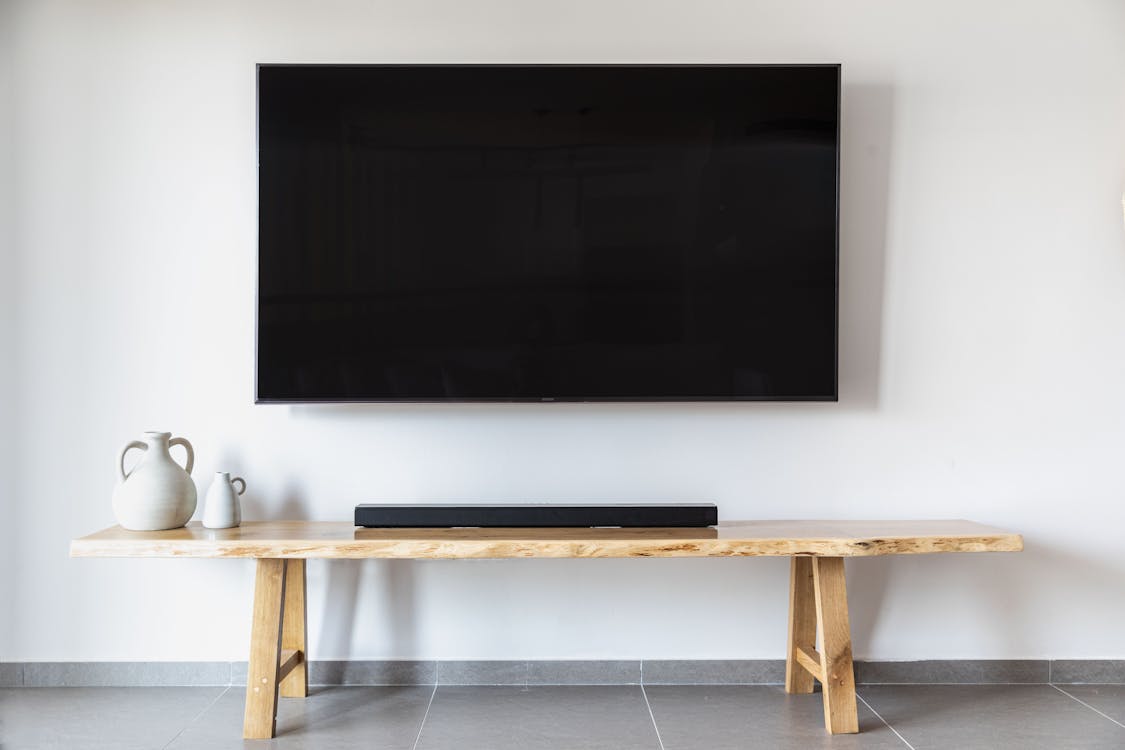
Finding studs really matters for any wall project. When you locate and use wall studs for your projects, you ensure maximum safety and durability. Anchoring into solid wood studs allows you to hang heavier items securely, preventing accidents and damage to your walls.
Heavy items like televisions, large mirrors, and decorative shelves require the structural support that only studs can provide. Drywall alone cannot support significant weight, and it will eventually fail, causing your mounted items to fall and potentially injure someone or damage your home. By locating studs, you distribute weight properly across your wall’s framing system.
Beyond safety, finding studs is crucial for a professional appearance. Properly anchored installations look cleaner and feel more secure. Additionally, knowing where studs are located helps you understand your wall’s structural layout, which is valuable information for future renovations or repairs. If you’re ever planning to hire a contractor for major work, understanding your wall’s framing system makes communication easier and decisions more informed.
Understanding Stud Spacing

Wall studs follow a standardized spacing pattern in modern construction. The most common spacing is 16 inches on center (meaning the distance from the center of one stud to the center of the next is 16 inches). This spacing became standard because it aligns well with standard drywall widths and provides optimal structural support for typical residential loads.
Some newer homes, particularly those with higher wind loads or in seismic zones, use 24-inch on-center spacing. This wider spacing reduces the number of studs needed while still meeting building codes. Understanding whether your home uses 16-inch or 24-inch spacing helps you predict stud locations after you find the first one.
Older homes may have irregular stud spacing, particularly if they’ve been remodeled or repaired over the years. These homes might have studs spaced at 12, 18, or even 20-inch intervals. This is why it’s always wise to verify stud locations with multiple methods rather than relying solely on spacing calculations. Knowing your spacing standard helps you quickly locate additional studs once you find one, but always verify with a stud-finding method to be certain.
Method 1: Electronic Stud Finder
Electronic stud finders are among the most popular and effective tools for locating wall studs in 2026. These handheld devices use capacitive sensing technology to detect the density changes between wood studs and the hollow spaces between them. When you glide the device across your wall, it alerts you when it detects a stud, usually through visual indicators, sound, or vibration.
Using an electronic stud finder is straightforward. First, calibrate the device by placing it flat against the wall in an area where you know there’s no stud, then press the power button. The device establishes a baseline reading of the wall material. Once calibrated, slowly move the device horizontally across the wall. When it detects a density change indicating a stud, it will alert you with lights, beeping, or vibration. Mark that location with a pencil, then continue moving to confirm the stud’s width and find its edges.
The main advantage of electronic stud finders is their speed and consistency. They work on most wall types and require no additional tools or techniques. However, they can occasionally give false readings when encountering plumbing pipes, electrical wiring, or metal framing. Always verify findings with at least one other method, especially for critical installations. Battery replacement is also necessary periodically, so keeping spare batteries on hand is wise.
Modern electronic stud finders have become increasingly sophisticated. Some models now include features like center-finding technology, which precisely marks the stud’s center rather than just its location. Premium models can distinguish between wood, metal, and other materials, reducing false positives. Expect to spend between $15 and $100 for a quality electronic stud finder, depending on features and brand reputation.
Method 2: Magnetic Stud Finder
Magnetic stud finders represent a low-tech but highly reliable alternative to electronic devices. These simple tools use powerful magnets to locate metal fasteners, specifically the nails and screws that attach drywall to studs. Since studs are always fastened with metal fasteners, locating these fasteners reveals stud locations.
Using a magnetic stud finder requires patience and a systematic approach. Move the magnet horizontally across your wall in a methodical grid pattern. When the magnet adheres strongly to the wall, you’ve found a fastener. These fasteners are typically spaced about 12-16 inches apart along each stud. Once you find one fastener, search vertically both above and below it to find additional fasteners on the same stud, confirming its location.
Magnetic stud finders have several advantages: they require no batteries, never give false readings about stud presence (though you may occasionally find metal in unexpected places), and cost only $5-15. They’re also extremely durable and portable. The main disadvantage is that they’re slower than electronic models and require more physical effort.
Method 3: Radar Stud Finder
Radar stud finders represent the latest technology in wall stud detection. Also called pulse radar or microwave stud finders, these devices emit safe microwave pulses into your wall and analyze the reflections to determine wall density. This technology can penetrate deeper into walls than capacitive sensors and works through various wall materials including thick paint, wallpaper, and tile.
Radar stud finders don’t require calibration before use, which makes them faster to deploy than electronic sensors. Simply place the device against the wall and scan methodically. The device displays a visual profile of the wall’s interior, showing density variations that indicate studs. Advanced models can differentiate between wood studs, metal framing, plumbing, and electrical systems.
The primary advantage of radar technology is its reliability on challenging walls. If your walls have texture, multiple paint layers, or specialized wallcoverings, radar stud finders often outperform traditional capacitive sensors. They’re also excellent for detecting studs through thick materials. However, they’re considerably more expensive, typically ranging from $100-300.
Method 4: The Knock Test
The knock test is one of the oldest and most reliable methods for finding studs, requiring nothing but your hands and ears. This technique works because studs are solid wood, while the space between studs is mostly hollow (containing only air and sometimes insulation). The difference in how sound travels through these materials creates distinctly different tones when you knock.
To perform the knock test, make a fist and knock on your wall horizontally, starting at one location and moving across the wall. Listen carefully to the sound as you knock. Over the hollow areas between studs, your knocks will produce a hollow, resonant sound, almost like knocking on a cardboard box. When you knock directly over a stud, the sound becomes noticeably dull and solid, more like knocking on a wooden door frame.
Once you identify a stud by sound, mark its location with a pencil. Then continue knocking along the same wall to find the adjacent studs. Remember that studs are spaced 16 or 24 inches apart, so the next stud should appear at a predictable distance. Always verify the location by knocking both above and below your initial mark to confirm you’ve found the stud’s full vertical run.
The main advantages of the knock test are that it requires no tools and costs nothing. It also works on any wall type without calibration. The disadvantages include that it requires a trained ear. Some people find it difficult to distinguish between hollow and solid sounds initially. With practice, most people become proficient at this method within several attempts.
Method 5: Neodymium Magnet
The neodymium magnet method is a dedicated variation of magnetic stud finding that deserves special attention due to its effectiveness and low cost. Neodymium magnets are extremely powerful rare-earth magnets that can easily detect even small drywall fasteners through paint and finish materials. Many homeowners keep a neodymium magnet specifically for stud finding because they’re so reliable and inexpensive.
You can purchase individual neodymium magnets online for just a few dollars, or invest in a specially designed magnetic stud finder that incorporates these powerful magnets. The size and strength of the magnet affect performance. Larger, stronger magnets work better but are slightly less convenient to carry. A 1-inch diameter magnet approximately 0.25 inches thick provides an excellent balance of strength and portability.
Search for drywall fasteners using the same technique described in the magnetic stud finder section. Move the magnet systematically across your wall until it adheres strongly to a fastener location. Once you find one fastener, search vertically to locate additional fasteners along the same stud. This method is particularly valuable as a verification tool when you’ve located a stud using another method.
Method 6: The 16-Inch Measuring Method
The 16-inch measuring method uses the standardized spacing of wall studs in modern homes. Once you’ve confidently located one stud using any of the detection methods above, you can predict the locations of adjacent studs by measuring 16 inches (or 24 inches in newer construction) from the center of the stud you found.
Start by locating your first stud using an electronic finder, magnet, or knock test. Mark the stud’s center point clearly with a pencil line. Then, measure 16 inches to the left and mark that location. This is where the next stud should be. Measure another 16 inches and mark again. Continue this process across the entire wall, creating a series of predicted stud locations. Then verify each location with your chosen detection method before mounting anything.
This method works exceptionally well when combined with electronic stud finders. Once you find the first stud electronically, you can confidently measure and verify rather than laboriously scanning your entire wall with the device. It saves time and battery power while reducing the likelihood of missing studs.
However, this method has important limitations. It assumes 16-inch spacing, which isn’t guaranteed in older homes or homes with remodeling. It also fails in rooms where studs have been cut for windows, doors, or other structural modifications. Always verify measured locations before mounting heavy items.
Method 7: Flashlight and Nail Dimples
One of the most satisfying low-tech methods involves using a flashlight to identify nail dimples in your drywall. These small indentations mark where drywall fasteners were installed during wall construction. The fasteners are always driven into studs, so locating the fastener dimples reveals stud locations.
Dim the lights in your room and hold a flashlight at a low angle (nearly parallel) to your wall surface. The light will graze across the wall, creating shadows that highlight minor surface irregularities. The nail dimples from fasteners appear as regular, small depressions across the wall. These dimples form vertical lines that correspond to stud locations, usually spaced 16 inches apart.
The advantage of this method is that once you see the pattern of dimples, you instantly understand your entire wall’s layout. You can observe multiple stud locations simultaneously rather than finding them one at a time. This method works on most walls and requires only a flashlight.
The disadvantages are significant: thick paint, wallpaper, or textured surfaces may hide dimples completely. Some walls show no visible dimples at all. Additionally, this method requires relatively good vision and adequate light control. It’s an excellent verification method when you’ve already located studs through other means.
Method 8: Using Electrical Outlets
Electrical outlets and switches provide reliable reference points for locating wall studs. Building codes in most areas require that electrical outlets be installed either on studs or with the outlet box securely mounted to the nearest stud. This means that virtually every outlet on your wall sits directly above or beside a stud, making outlets natural starting points for stud location.
Look at your wall and identify an electrical outlet or light switch. Examine the sides of the outlet box. One side typically sits directly on a stud. Use another stud-finding method (knock test, magnet, or electronic finder) to determine whether the stud is to the left or right of the outlet. Once you’ve confirmed the stud’s side, mark its location. Then use the 16-inch spacing method to locate adjacent studs along the wall.
This method is particularly valuable because outlets are present on nearly every wall and provide immediate reference points. You don’t need to search the entire wall randomly. You have a known reference that will definitely align with a stud. This method is quick when used in combination with spacing calculations.
The limitation is that it requires working near electricity, which demands caution. Never attempt to open electrical outlets or remove covers without first turning off power to that circuit. If you need to discuss electrical concerns while working on walls, consulting with a qualified professional is wise, particularly if you’re unsure about electrical systems.
Method 9: Wire Hanger or Thin Nail
A simple straightened wire coat hanger or thin nail can serve as an effective stud locator for the budget-conscious DIYer. This tactile method involves probing the wall to find the solid wood of studs. While it requires some caution to avoid damaging your walls significantly, it’s incredibly inexpensive and surprisingly effective for verification purposes.
Straighten a wire coat hanger until you have a long, stiff probe. Starting at an area where you suspect a stud exists, carefully push the wire or nail through the drywall at a slight upward angle. Push slowly and feel the resistance carefully. If you encounter solid wood, you’ve found a stud. If the probe slides through easily, you’re between studs.
Once you locate a stud by probing, pull out your probe and verify with another method. The small hole left behind can be easily patched with spackling compound. Mark the stud’s location before moving to the next area.
The major disadvantage of this method is the wall damage it causes. Each probe attempt leaves a small hole that requires patching. For this reason, it’s best used sparingly as a verification method rather than as your primary search technique. Always exercise extreme caution when probing into walls, particularly near electrical outlets or where you suspect utilities might be located.
Method 10: Smartphone Apps

In 2026, smartphone apps are a modern option for finding wall studs. Several applications use your phone’s built-in sensors to detect wall density and locate studs. Popular apps include Stud Finder, Wall Detector, and Stud Detector, available on both iOS and Android platforms. These apps use your phone’s magnetometer and other sensors to simulate traditional stud-finding technology.
Using a stud-finding app is similar to using an electronic stud finder. Launch the app, calibrate it against a known non-stud area of wall, then scan across the wall systematically. The app displays readings and alerts you when detecting density changes that indicate studs. Some advanced apps provide visual representations of what’s inside your wall.
The main advantages are convenience and cost. Most quality stud-finding apps cost only $2-5, and you likely have your phone with you already. There’s no need to purchase additional hardware or carry specialized equipment. For casual homeowners who occasionally need to locate studs, smartphone apps represent an excellent solution.
However, app reliability varies significantly depending on your phone model, app quality, and wall conditions. Professional contractors generally don’t rely solely on apps, but keep them as backup options. For critical installations, combining a smartphone app with traditional methods provides maximum reliability.
Tips for Different Wall Types
Drywall Walls: Standard drywall walls are easiest to work with for stud finding. All methods discussed above work effectively on drywall. Electronic stud finders, knock tests, and magnetic methods are all reliable approaches. Drywall’s uniform composition and predictable fastening patterns make it ideal for learning stud-finding skills.
Plaster Walls: Older homes with plaster walls present challenges for stud finding. Plaster is denser than drywall, which can confuse capacitive electronic stud finders. Knock tests work but require more careful listening since plaster dampens sound differently. Magnetic stud finders are particularly effective on plaster walls. Radar stud finders also perform exceptionally well.
Concrete Block Walls: Concrete block walls are solid throughout and contain no studs in the traditional sense. They don’t require stud finding for basic wall mounting. However, concrete block does require specialized fastening methods and hardware designed specifically for masonry.
Metal Stud Walls: Some modern buildings use metal studs instead of wood. Metal studs are thinner and lighter than wood but serve identical structural purposes. Standard wood stud finders may not work reliably on metal studs. The knock test doesn’t work on metal. If you suspect metal studs, clarify your wall construction before choosing a stud-finding method.
Textured or Heavily Painted Walls: Walls with thick texture, multiple paint layers, or wallpaper can challenge electronic stud finders. Knock tests remain reliable regardless of finish. Magnetic methods work fine. Radar stud finders excel in these situations.
Common Mistakes to Avoid
Relying Solely on Electronic Stud Finders: Electronic stud finders occasionally misidentify pipes, wiring, or metal framing as studs. Never trust a single electronic scan for critical installations. Always verify with at least one additional method, particularly for heavy wall-mounted items.
Assuming Spacing Without Verification: While 16-inch spacing is standard, older homes, renovated walls, and walls with openings often have irregular spacing. Don’t assume stud locations based purely on measurements. Always verify each location with a physical detection method before mounting anything heavy.
Ignoring Architectural Features: Studs near windows, doors, and corners have different spacing to accommodate framing headers and supports. Never assume normal spacing applies near these features. Take extra time to carefully verify stud locations near windows and doors.
Not Testing Methods First: Before using any new stud-finding method on critical walls, practice on a known location. Find a stud you’ve already confidently located using one method, then practice your new technique on that same stud.
Mounting Heavy Items on a Single Stud: Even heavy items should anchor into multiple studs when possible. Distribute the weight across more than one stud to ensure maximum stability and reduce stress on any single anchor point. This is particularly important for televisions, large mirrors, and heavy shelving systems.
Frequently Asked Questions
How accurate are stud finders?
Quality electronic stud finders are typically accurate within 1-2 inches when properly calibrated and used correctly. Magnetic stud finders are very accurate since they locate physical fasteners that are definitively attached to studs. Radar technology is highly accurate on most wall types. For maximum accuracy, use multiple methods in combination. If all methods agree on a stud location, you can be very confident in your finding.
Can stud finders detect metal studs?
Standard wood stud finders often struggle with metal studs because metal has different density characteristics than wood. Electronic stud finders designed specifically for metal detect the density changes in metal framing effectively. Magnetic stud finders work on metal studs since drywall fasteners are still present. If you’re working with metal studs, verify your findings with multiple methods or consider renting a specialized metal stud detector.
What if I don’t have a stud finder?
You can effectively locate studs using the knock test alone. This requires nothing but your hands and ears. Magnetic methods using neodymium magnets cost just a few dollars and work excellently. Measuring 16 inches from electrical outlets provides predicted stud locations. The wire hanger probing method works with materials most homes have on hand. The knock test combined with measurements from electrical outlets provides excellent results at zero cost.
Do methods work the same on plaster walls?
Knock tests work on plaster but require more careful listening since plaster dampens sound more than drywall. Electronic stud finders can give unreliable readings on plaster because of its density. Magnetic methods work excellently on plaster walls. Radar stud finders are particularly effective on older plaster construction. For plaster walls, prioritize magnetic methods, knock tests, and measurement techniques over electronic capacitive finders.
How do I know if studs are 16 or 24 inches apart?
Locate your first stud using any reliable method. Measure 16 inches from its center and search for a stud at that location. If you find a stud at 16 inches, your wall uses 16-inch spacing. If you don’t find one but find studs at 24 inches, your wall uses 24-inch spacing. Some homes may use mixed spacing, so verify multiple locations before assuming consistent spacing throughout a wall.
Can I tell if a stud is load-bearing?
Simply locating a stud tells you where it is but not whether it’s load-bearing. Load-bearing studs typically run continuously from foundation to roof and are part of the structural frame carrying the weight of upper floors or roof. To determine if a stud is load-bearing, examine your home’s overall construction. Studs under beam supports, along exterior walls, or supporting upper floors are typically load-bearing. Consult a structural engineer or qualified contractor for definitive information about load-bearing walls in your home.
Final Thoughts
Finding wall studs is a fundamental skill that every homeowner should master. Whether you’re hanging a television, installing shelves, or mounting heavy mirrors, knowing exactly where studs are located ensures your projects are safe, secure, and long-lasting. Fortunately, you have multiple proven methods available, from high-tech electronic finders to simple knock tests that cost nothing.
The best approach combines several methods: start with an electronic stud finder or knock test to locate your first stud, verify with a magnetic method or knock test, measure subsequent locations using the 16-inch spacing standard, and verify each location again before mounting. This multi-method approach provides the confidence and accuracy that critical installations demand.
Remember that different wall types may respond differently to various methods. Drywall works with all techniques, plaster responds best to knock tests and magnets, and textured walls benefit from radar technology. Don’t hesitate to try different methods if your first attempt seems uncertain. The time you invest in thorough verification prevents accidents, wall damage, and mounting failures.
Now that you know these methods, you can find studs in pretty much any situation. Whether you choose electronic finders, magnetic methods, knock tests, or smartphone apps, you have multiple reliable pathways to find exactly where your wall studs are located. Start with your preferred method today, and your walls, your mounted items, and your home’s safety will all benefit from your stud-finding skills.