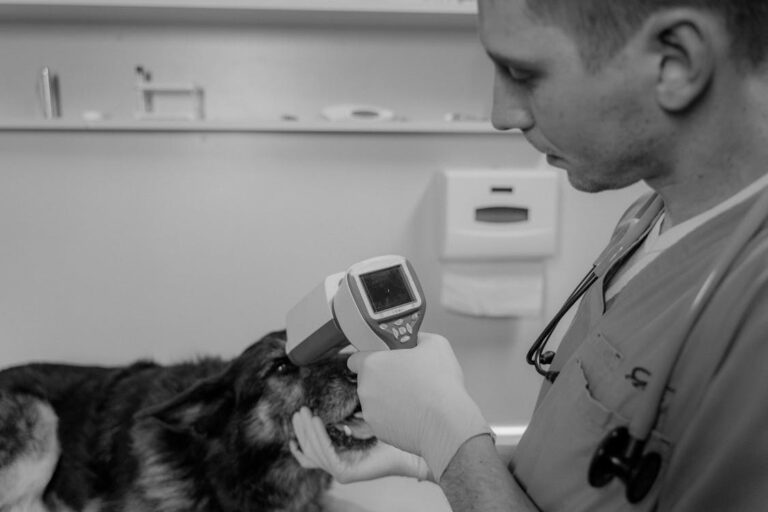
Learning how to find a good veterinarian is one of the most important things you can do for your pet. Your vet will be your partner in keeping your animal healthy for years – or even decades – so this is not a decision to take lightly.
Whether you’ve just welcomed a new puppy, adopted a senior cat, or recently moved to a new city, finding the right vet can feel overwhelming. There are thousands of veterinary clinics in the US, and not all of them are the same. The good news? With the right approach, you can find a veterinarian who is qualified, compassionate, and a perfect fit for both you and your pet.
This guide walks you through everything you need to know about how to find a good veterinarian – from where to search and what credentials to look for, to the right questions to ask and the red flags to watch out for.
Table of Contents
- Why Choosing the Right Vet Matters
- Where to Search for a Veterinarian
- What Credentials and Accreditations to Look For
- Understanding Different Types of Vets
- What to Evaluate When Visiting a Clinic
- Questions to Ask a Prospective Veterinarian
- Understanding Cost and Payment Options
- Planning for Emergency Veterinary Care
- Red Flags to Watch Out For
- Special Considerations for Different Pets
- Building a Long-Term Relationship With Your Vet
- Frequently Asked Questions
Why Choosing the Right Vet Matters
Your veterinarian is your pet’s primary healthcare provider. They will vaccinate your animal, diagnose illnesses, monitor ongoing conditions, and guide you through end-of-life decisions. A good vet doesn’t just treat disease – they help you prevent it.
Studies show that pets with consistent, quality veterinary care live longer, healthier lives. Yet many pet owners put off finding a vet until there’s a crisis. That’s a mistake. Trying to find a good veterinarian when your dog is limping or your cat hasn’t eaten in two days is stressful – and limits your options.
Finding a vet you trust before you need one gives you time to research, visit clinics, and make a calm, considered decision. Think of it the same way you would finding a good doctor or a good dentist – it’s about establishing a relationship, not just filling a need.
Where to Search for a Veterinarian
The search for a good vet starts before you ever set foot in a clinic. Here are the best places to look:
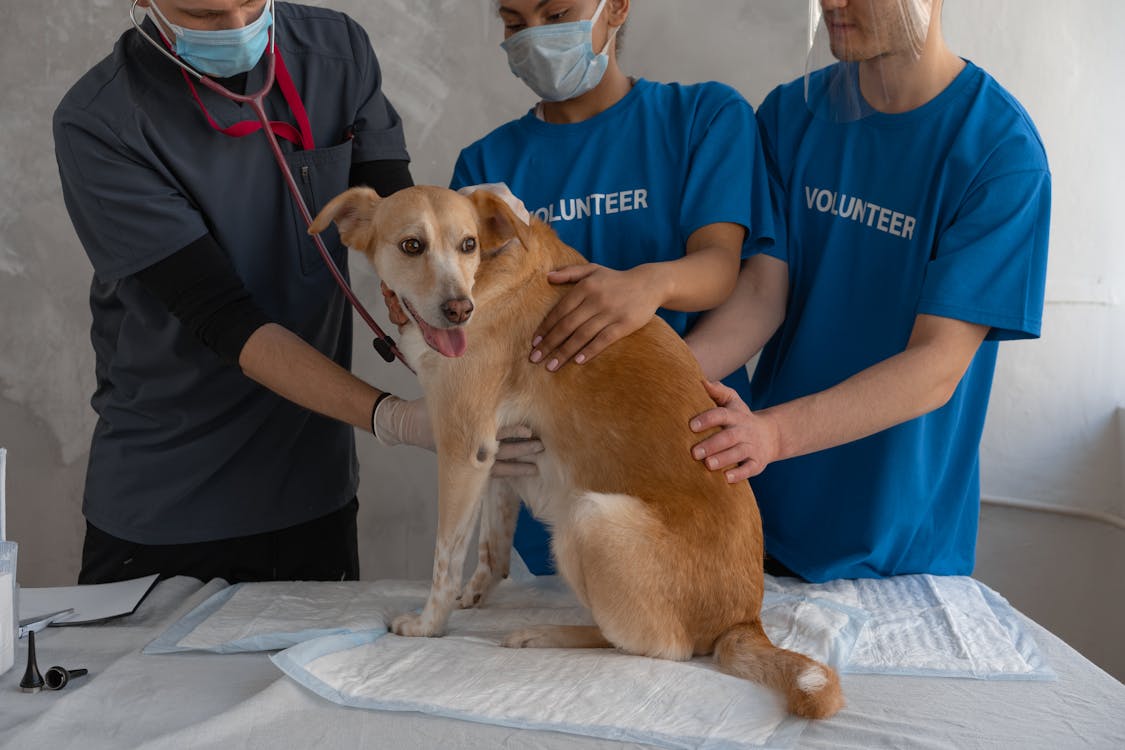
Ask Other Pet Owners
Word of mouth is still one of the most reliable ways to find a veterinarian. Ask friends, family, neighbors, and coworkers who have pets. If they consistently rave about their vet, that’s a strong signal. Ask them what they like specifically – is it the communication? The prices? The way the vet handles anxious animals?
If you’ve recently moved and don’t know local pet owners yet, check neighborhood groups on Facebook, apps like Nextdoor, or community forums like Reddit. Search your city name plus “best vet recommendation” and you’ll often find recent, detailed reviews.
Use Official Veterinary Directories
Several professional organizations maintain searchable directories of licensed veterinarians:
- American Veterinary Medical Association (AVMA): The AVMA’s website lets you search for member vets by location.
- American Animal Hospital Association (AAHA): AAHA-accredited clinics meet strict standards for care. Use their clinic finder at aaha.org.
- State veterinary medical associations: Most states have their own association that maintains a directory of licensed vets.
Search Google and Review Sites
A simple Google search for “veterinarian near me” will surface clinics with reviews, ratings, photos, and hours. Pay attention to the number of reviews as well as the rating – a vet with 300 reviews at 4.6 stars is more telling than one with 5 reviews at 5 stars.
Also check Yelp, Angi, and Zocdoc for veterinarians. Read both positive and negative reviews, and look for patterns. If multiple people complain about long wait times or rushed appointments, take that seriously.
Ask Your Local Animal Shelter or Rescue
Staff at animal shelters and rescue organizations interact with veterinarians regularly. They know who is skilled, who is caring, and who offers fair pricing. This is an especially useful tip if you’ve just adopted a pet – shelters often partner with local vets and may even offer a discounted first visit.
Ask a Trainer or Groomer
Professional dog trainers and groomers see many pets and many pet owners. They often have strong opinions about local vets and can point you toward – or away from – specific clinics based on what their clients have shared.
What Credentials and Accreditations to Look For
Not all veterinary clinics are created equal. Here’s what to look for when evaluating credentials:
State Licensure
Every practicing veterinarian must be licensed in the state where they work. You can verify a vet’s license through your state’s veterinary licensing board. This is a non-negotiable baseline.
AAHA Accreditation
The American Animal Hospital Association (AAHA) accredits veterinary practices that voluntarily meet over 900 standards in areas like patient care, surgery, pharmacy, laboratory, and staff continuing education. Only about 15% of veterinary clinics in the US and Canada are AAHA-accredited. If you see the AAHA seal, it’s a meaningful quality indicator.
Board Certifications and Specialties
General practice veterinarians complete four years of veterinary school after an undergraduate degree, earning a Doctor of Veterinary Medicine (DVM) or Veterinary Medicine Doctor (VMD) degree. If your pet has a complex medical condition, you may also want a board-certified specialist – a vet who has completed additional residency training in areas like oncology, cardiology, neurology, or surgery.
Continuing Education
Veterinary medicine advances rapidly. Look for vets who actively pursue continuing education and stay current on the latest treatments, technologies, and protocols. Many clinics mention this on their website or you can ask directly during a visit.
Understanding Different Types of Vets
Before you start your search, it helps to understand what kind of veterinarian you actually need:
General Practice Veterinarians
These are the vets most pet owners see for routine care – vaccinations, annual checkups, parasite prevention, minor illnesses, dental cleanings, and spay/neuter procedures. A good general practice vet can handle the vast majority of your pet’s medical needs.
Veterinary Specialists
If your pet develops a serious or complex condition, your general practice vet may refer you to a specialist. Common veterinary specialties include internal medicine, oncology, dermatology, cardiology, orthopedics, and ophthalmology. Specialists typically work at referral hospitals or university veterinary schools.
Emergency and Critical Care Vets
These vets work in emergency animal hospitals that are open 24/7 or after regular clinic hours. They handle sudden, life-threatening situations – severe trauma, toxic ingestion, respiratory distress, and similar emergencies. It’s wise to identify an emergency vet in your area before you ever need one.
Mobile or House-Call Vets
Some veterinarians offer mobile services, coming to your home to provide care. This can be ideal for pets that are highly stressed by travel, elderly animals, or multi-pet households. Mobile vets often charge a travel fee but can be worth the convenience and reduced stress for your animal.
Exotic Animal Vets
If you have a rabbit, bird, reptile, guinea pig, or other exotic animal, you’ll need a vet with specific exotic animal training. Not all general practice vets see exotics, so be sure to confirm this when calling around.
What to Evaluate When Visiting a Clinic
Don’t just pick a vet based on reviews alone. Schedule a “meet and greet” visit to evaluate the clinic in person. Here’s what to observe:
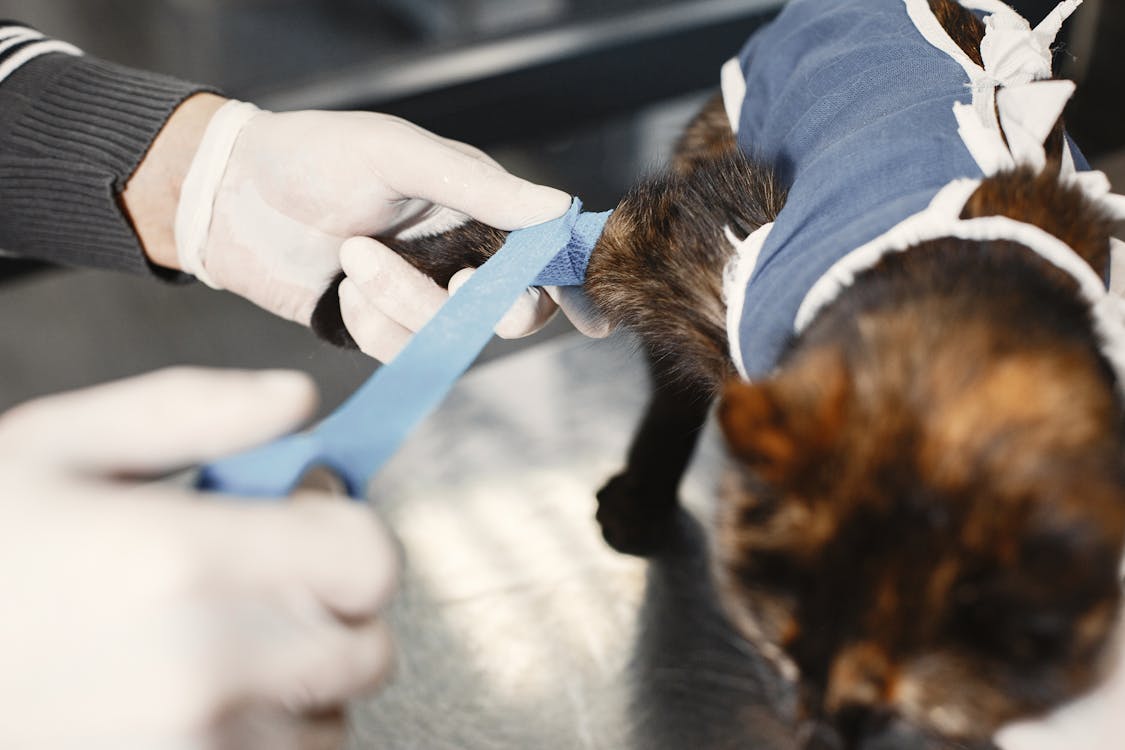
Cleanliness and Organization
The facility should be clean, odor-free (beyond the normal animal smell), and well-organized. Dirty floors, disorganized reception areas, or poorly maintained equipment are warning signs.
How Staff Treat Animals
Watch how the vet and technicians interact with animals – including yours. Are they gentle? Do they get down to the animal’s level? Do they use calming techniques or treats? Fear-free handling makes a significant difference in your pet’s stress level and overall health outcomes.
Communication Style
Does the vet take time to explain things clearly? Do they listen to your concerns without rushing? The best veterinarians treat pet owners as partners in their animal’s care. You should leave every appointment feeling informed, not confused.
Wait Times and Appointment Availability
A great vet who can never get you in for three weeks isn’t very useful. Ask about average wait times for routine appointments and how quickly they can see sick pets. Some clinics offer same-day sick appointments, which is a huge advantage.
Technology and Equipment
Modern veterinary clinics have in-house lab equipment, digital X-ray, and ultrasound capabilities. Clinics with more diagnostic tools can often deliver faster results and avoid the cost and delay of sending samples to outside labs.
After-Hours Care
Find out what happens if your pet has an emergency after hours. Does the clinic have an emergency line? Do they direct you to a partner emergency hospital? Knowing this in advance gives you peace of mind.
Questions to Ask a Prospective Veterinarian
During your first visit or meet-and-greet, don’t be shy about asking questions. Here are some of the most important ones:
- “What is your approach to pain management?”: A good vet prioritizes minimizing discomfort and has clear protocols for managing pain before, during, and after procedures.
- “How do you handle fearful or anxious animals?”: Look for vets trained in Fear Free or Low Stress Handling techniques.
- “Who covers the practice when you’re away?”: You want to know there’s a competent, trusted colleague available when your regular vet is on vacation or off-call.
- “Can I get a written estimate before procedures?”: Any reputable vet will give you an itemized cost estimate before non-emergency procedures.
- “Do you have experience with my specific breed or species?”: Some breeds have breed-specific health concerns. A vet familiar with your animal’s common issues is a significant advantage.
- “What vaccines and preventive care do you recommend for my pet’s lifestyle?”: There’s no one-size-fits-all vaccination schedule. A good vet will tailor recommendations based on your pet’s environment, age, and risk factors.
- “Do you offer a patient portal or online communication?”: Many modern clinics offer apps or online portals to access records, schedule appointments, and message the vet team.
Understanding Cost and Payment Options
Cost is a real factor in choosing a veterinarian, and there’s no shame in asking about it upfront. Here’s what to know:
Average Veterinary Costs
Routine annual wellness exams typically cost between $50–$250 depending on location, the type of pet, and whether vaccines are included. Spay or neuter procedures range from $200–$800. Dental cleanings average $300–$700. Emergency and specialist care can run into the thousands.
Pet Insurance
Pet insurance can dramatically offset veterinary costs, especially for unexpected illnesses and injuries. If you’re getting a young pet, it’s worth enrolling early before any pre-existing conditions develop. Major providers include Trupanion, Healthy Paws, Figo, and Nationwide Pet Insurance.
CareCredit and Payment Plans
Many veterinary practices accept CareCredit, a healthcare credit card that offers interest-free financing periods. Some clinics also offer their own internal payment plans. Don’t be afraid to ask – most vets would rather work out a payment plan than have a pet go without needed care.
Low-Cost Veterinary Options
If cost is a significant barrier, there are options. Many humane societies and animal welfare organizations run low-cost vaccine clinics and wellness days. Veterinary schools often provide high-quality care at reduced rates since work is performed by supervised students. Some nonprofits specifically help low-income pet owners access veterinary care.
Planning for Emergency Veterinary Care
Even the most diligent pet owner will face a veterinary emergency at some point. Knowing what to do – and where to go – before that moment arrives is critical.
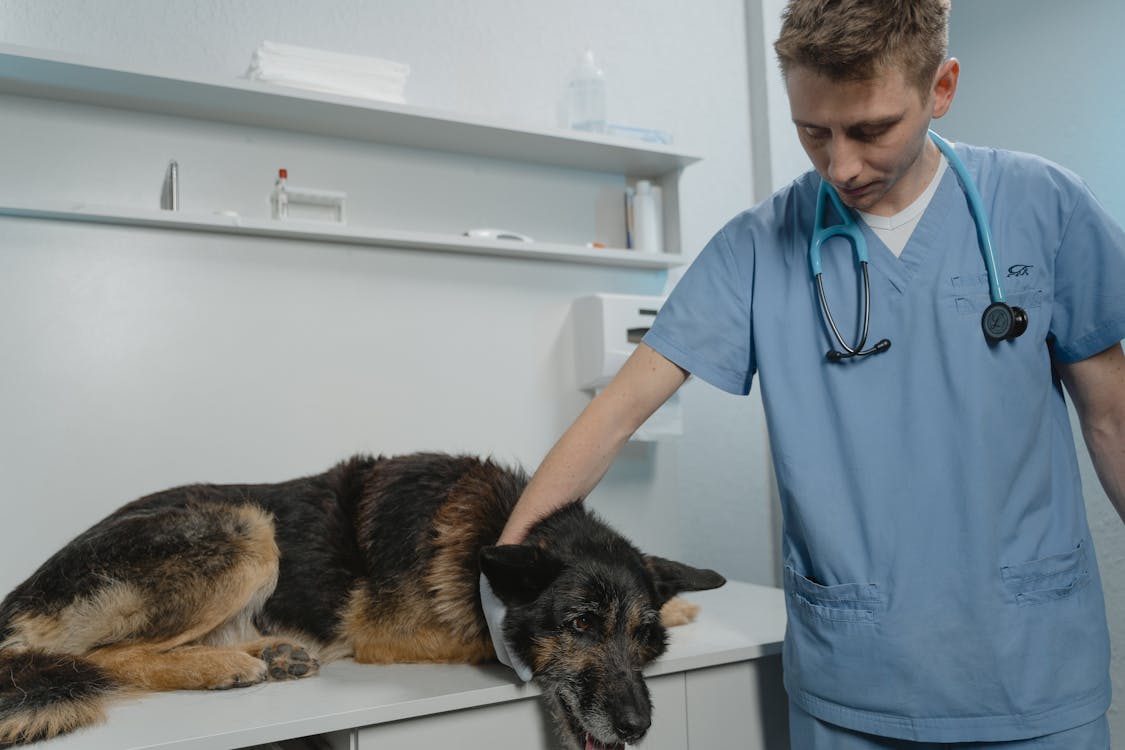
Start by identifying the closest 24-hour emergency animal hospital to your home. Save the address and phone number in your phone right now. Many cities have multiple emergency vet options; knowing which is closest and what routes to take can save precious minutes when it counts.
Ask your regular vet what emergency protocols they recommend. Some clinics have after-hours emergency lines where you can speak to a vet or tech to assess urgency. Others partner with local emergency hospitals and will call ahead on your behalf.
Signs that require immediate emergency veterinary care include: difficulty breathing, uncontrolled bleeding, suspected poisoning, seizures, inability to stand, bloated or distended abdomen, unconsciousness, and severe trauma (such as being hit by a car). If you’re ever unsure, err on the side of caution and call an emergency vet.
If you’ve ever found yourself in the stressful situation of searching for a lost dog or looking for a lost cat, you already know how quickly a pet situation can become urgent. Having your vet and emergency vet contacts saved and ready at all times is part of responsible pet ownership.
Red Flags to Watch Out For
Knowing what to avoid is just as important as knowing what to look for. Here are warning signs that a veterinary practice may not be the right fit:
Dismissive of Your Concerns
If a vet brushes off your questions or makes you feel like you’re wasting their time, that’s a serious red flag. Your observations about your pet’s behavior are valuable diagnostic information. A good vet welcomes them.
Pressure to Buy Products or Services
Some clinics have a reputation for upselling unnecessary products, supplements, or procedures. If you feel pressured into buying things your pet may not need, or if recommended treatments seem excessive without clear explanation, get a second opinion.
Unwillingness to Provide Cost Estimates
Any reputable vet will provide written estimates before non-emergency procedures. If a clinic refuses to discuss costs in advance or is vague about pricing, consider that a warning sign.
High Staff Turnover
If you notice new faces every visit or learn that the clinic frequently changes vets, dig deeper. High turnover often reflects internal issues – poor management, low morale, or a problematic work culture – that can indirectly affect the quality of your pet’s care.
Poor Online Reviews With No Response
A clinic that ignores negative reviews without any attempt to address the concerns shows a lack of accountability. Look for businesses that respond professionally to criticism and take it seriously.
Outdated Facilities
Veterinary medicine advances quickly. A clinic that hasn’t updated its equipment or protocols in years may not be offering your pet the best available care. Ask how recently they’ve upgraded diagnostic tools or adopted new treatment protocols.
Special Considerations for Different Pets
Dogs
Dogs are the most commonly seen patients at veterinary clinics, so most general practice vets are well-equipped to handle them. However, if you have a large or giant breed, a brachycephalic (flat-faced) breed like a Bulldog or French Bulldog, or a breed with known genetic issues like German Shepherds or Golden Retrievers, look for a vet with specific experience in those areas.
Cats
Cats have unique physiological and behavioral needs that differ significantly from dogs. Some clinics are “cat-friendly” practices – they have separate waiting areas, use calming pheromones, and train staff in feline handling techniques. Look for the American Association of Feline Practitioners (AAFP) Cat Friendly Practice designation.
Rabbits and Small Mammals
Rabbits, guinea pigs, ferrets, and chinchillas require vets with exotic animal training. Always confirm that a vet treats your specific type of small mammal before booking.
Birds
Avian medicine is highly specialized. Birds hide illness well, making experienced avian vets especially valuable. Look for a vet with avian experience and access to avian-specific equipment like specialized blood panels and imaging.
Reptiles
Reptile medicine – covering snakes, lizards, turtles, and tortoises – requires specific knowledge of species-appropriate husbandry, nutrition, and common diseases. Find a vet with documented reptile experience or a board-certified reptile specialist.
Senior Pets
Older animals need more frequent veterinary attention. If your pet is over seven years old (or earlier for larger dog breeds), look for a vet who proactively recommends twice-yearly wellness exams, routine bloodwork, and age-appropriate screenings. Some practices specialize in senior pet care.
Building a Long-Term Relationship With Your Vet
Finding a great vet is just the beginning. The real value comes from building a long-term relationship.
Stick with the same vet whenever possible. Continuity of care means your vet knows your pet’s history, personality, and baseline health – making it much easier to detect subtle changes over time. A vet who has seen your cat every year for five years will notice things that a stranger seeing your pet for the first time simply cannot.
Be honest with your vet about lifestyle factors that affect your pet’s health – diet, exercise habits, exposure to other animals, behavioral changes, and anything your pet might have gotten into. The more information your vet has, the better they can serve you.
Follow through on recommendations. If your vet recommends dental cleanings, a weight-loss plan, or a follow-up appointment, take it seriously. Preventive care is almost always less expensive – financially and emotionally – than treating problems that have been allowed to develop.
And if you’re ever unhappy with the care your pet receives, say so. A good vet welcomes feedback. If issues persist, it’s completely appropriate to seek a second opinion or switch to a different practice. Your pet’s wellbeing always comes first.
Frequently Asked Questions
How do I find a good vet in a new city?
Start by asking neighbors and coworkers who have pets. Check Nextdoor and local Facebook groups for recommendations. Use the AAHA clinic finder and Google reviews to compare options. Try to schedule a meet-and-greet visit before your pet needs care so you can evaluate the practice calmly.
What is AAHA accreditation and why does it matter?
The American Animal Hospital Association (AAHA) accredits veterinary practices that voluntarily meet over 900 standards for quality of care. Only about 15% of clinics in North America hold this accreditation. Choosing an AAHA-accredited clinic is one of the most reliable ways to ensure high-quality care.
How often should I take my pet to the vet?
Most healthy adult dogs and cats need a veterinary wellness exam at least once a year. Puppies and kittens need more frequent visits in their first year for vaccinations and development checks. Senior pets (generally over 7 years old) benefit from twice-yearly visits. Pets with chronic health conditions may need more frequent monitoring.
What should I bring to my first vet appointment?
Bring any previous medical records, vaccination history, and a list of medications or supplements your pet is currently taking. Note down any behavioral changes, dietary concerns, or symptoms you’ve observed. If your pet is a rescue, bring whatever paperwork was provided by the shelter or rescue organization.
Is it okay to switch veterinarians?
Absolutely. If you’re not satisfied with the care your pet is receiving, you have every right to switch vets. Request your pet’s medical records – you’re legally entitled to them – and bring them to your new practice. Don’t stay with a vet out of loyalty if your pet’s needs aren’t being met.
How much does a vet visit typically cost?
A routine wellness exam generally costs between $50 and $250. Vaccinations, bloodwork, dental cleanings, and other services are usually priced separately. Costs vary significantly based on your location, the type of pet, and the specific clinic. Always ask for a written estimate before agreeing to any procedure.
Can I use telehealth for veterinary care?
Veterinary telehealth has grown significantly in recent years. Apps and services like Vetster, AirVet, and Pawp allow you to video-chat with a licensed vet for non-emergency questions, triage concerns, and follow-up consultations. Telehealth cannot replace in-person exams for diagnosis or treatment, but it’s an excellent complement to regular veterinary care.
What’s the difference between a vet and a veterinary specialist?
A general practice vet handles routine and preventive care as well as common illnesses. A veterinary specialist has completed additional residency training in a specific area (such as oncology, cardiology, or surgery) and is board-certified in that specialty. Your general practice vet will refer you to a specialist when needed.
Final Thoughts
Knowing how to find a good veterinarian – and taking the time to actually do it – is one of the most loving things you can do for your pet. The right vet isn’t just a medical provider; they’re a trusted partner in your animal’s health and happiness.
Start your search early, ask the right questions, visit clinics in person, and trust your instincts. A great veterinarian will make both you and your pet feel safe, heard, and well cared for – and that relationship, built over years, is truly invaluable.